Tag: dystopian sci-fi

Slowplay | Vale Four: Tell Cycle

Slowplay | Vale Four: Tell Cycle

Don’t twitch.

FaceTrace reads microexpressions before the subject knows what they’re thinking. Naia knows Vale Four is about to deploy it. June and Elle know they cannot afford a tell.

The question is whether you can teach yourself to lie with your face.


Highlights

This is the first episode of the Deep Dream State’s Tell Cycle.

Each Cycle in Vale Four looks at a different advertising phenomenon through the pink noir lens.Β  It’s uncanny but appealing at the same time.

A full description follows; a few elements should be highlighted.

1. The guest stars are stars.Β 

They always are.Β  In this case, we’re gratified to have Valentina Vallay on cast.Β  She’s a notable and fantastic voice actress.Β  She also plays the AI voice with sultry and evocative range.Β  It’s much better to cast a human as AI than the other ways around; that’s particularly true in this case.

2. Midstream is ridiculous.

The Deep Dream State is fiercely independent.Β  We don’t intend to have real ads for the foreseeable future.Β  That allows us to have the weird fake ads ever.

About midway through the episode, the most crazed sports podcast ever, Midstream, drops an ad.Β  This really makes Barstool Sports seem like Infinite Jest.Β  Highly recommended.

3. The sound design is innovative.Β 

It’s tough to convey screens and writing and whispers even in TV.Β  The episode features a lot of passed notes.Β  That’s communicated with whispers, less filtered, and pencil scratch.Β  I think it lands and enhances the paranoid atmosphere.

4. The tech is real.

The story is fictional .Β  We aren’t doing predictive or hard sci fi here.Β  Β At the same time, facial analysis for gauging consumer sentiment is real, advancing, and deeply unsettling.


Cast & Crew

Written & Produced by: Neural Nets and Pretty Patterns
Directed by: Neural Nets and Pretty Patterns
Co-Directed by: Bliss Blank
Midstream Sports: Neural Nets and Pretty Patterns as himself

Recurring Cast

Z – Neural Nets and Pretty Patterns
June Lowell – Bliss Blank
Tessa Finn – Ring of Kees
Meg Aerin – Bun Li
Naia Anderson – Dizzy Dollie
Elle Lawson – Echo Doll
Iris Vale – Swirls and Twirls
Cael Yupp – Jericho Caine
Hespa Apate – Syndi Rella

Guest Stars

Synthserv 3.0 – Valentina Vallay
Ava – Kitten Azazel
Mr. Mega – FFT
Mr. Beefcake – Chavito


Full Summary

Call

Naia records a private audio log from the garden nest. She’s afraid, and rightly so.

FaceTrace is different from the Calibrex systems: it doesn’t require cooperation. It reads microexpressions, dwell time, the involuntary signals produced before conscious thought has finished forming. The holdfasts inside Vale Four have been trained to pass, but no training accounts for a system that reads the face before the actor knows what they’re about to perform.

Naia names the stakes clearly: the IPO timeline is running, the call option has an expiry, and they cannot afford tells.

Deal

Meg, Tessa, and Hespa introduce FaceTrace to the focus group in the conference room. The framing is corporate and precise: contextual metadata, microexpression analysis, dwell time mapping.

Ava works with catechumens and recognizes the structure of confession.Β  She raises the comparison directly. Tessa affirms the surface resemblance and dismisses it with bloodless. June is welcomed back from her sabbatical and assigned an office next to the recalibration center. Tessa offers her the use of a second desk with an adorable little laptop.

Hold Em

The Midstream Sports advertisement runs.Β  It is extremely committed to the bit. Neural Nets and Pretty Patterns appears as himself and is removed from the recording for knowing too much about fantasy football :/.Β  Mr. Mega, Mr. Beefcake, and Hespa explain the product to the correct audience with maximum enthusiasm.

You never change horses in midstream.

Ante

June has arranged her office specifically around the plant she calls Seymour. June and Elle assess the FaceTrace threat in private: audio they can manage, video they can fool, but microexpression reading at the level FaceTrace operates is a different problem entirely. The solution is to practice on each other before the real sessions begin. Elle has already acquired the access codes.

Bluff

June runs Elle through the FaceTrace baseline protocol in the monitor room. The writing whisper technique carries their real communication underneath the performed neutrality: stage whispers stripped of reverb and set apart in the mix, functioning as written notes in audio form. Elle lingers on the wrong images for too long.Β  June clocks every tell in real time and writes it down.Β  Β Elle asks for more pictures – for science. June’s final writing whisper names what she has been watching the whole time. The session ends with both of them knowing considerably more about each other than they did when it started, and with a functional map of where their faces give them away.


Listen & Explore


Explanation

Slowplay is the Tell Cycle’s thesis statement delivered as a technical problem.

Every previous arc has used surveillance as a backdrop; here surveillance becomes the plot.Β  FaceTrace as the instrument that threatens to collapse the distinction between performance and self. The writing whisper technique is the audio drama equivalent of that threat made formal: a layer of communication running underneath the performed layer, visible to the listener but invisible to the system watching the characters.

June and Elle are doing in the monitor room exactly what the show is doing to its audience.

Ava’s confession comparison in the Deal scene is the arc’s most direct articulation of what FaceTrace actually is. Tessa’s response, acknowledging the surface resemblance and dismissing it as coincidence, is the most honest thing anyone at Vale Four says in the Tell Cycle. It’s a surface resemblance; the system underneath is considerably older.


Human Made Art

The poster image for this arc is from Sunrise Forever, under the Pixabay license. Layer art overlays are used to vary each iteration of the image. You can find the original here.


Consent Declaration

Deep Dream State is a desire horror audio drama written and produced by Neural Nets and Pretty Patterns. It explores psychological fiction at the boundaries of control, identity, and complicity. All elements depicted are fictional and intentional. Slowplay contains adult themes, psychological manipulation, surveillance technology, and suggestive content. All performances are works of fiction and take place within a consensual creative context.

ISNI 0000 0005 2877 6254

Sinker | Vale Four: Hooks Cycle

Sinker | Vale Four: Hooks Cycle

The whole world is already singing.

Sinker is the third episode of the Vale Four arc and the Hooks Cycle. The hook doesn’t need the lab anymore.
Hilton and Astoria have opinions. Celeste and Vera finally tell someone. That someone tells Z. Z tells Iris. Iris tells the camera. The camera tells everyone.

June watches. Naia plants seeds and waits.

Vale Four goes public. So does everything else.


Cast & Crew

Written & Produced by: Neural Nets and Pretty Patterns
Directed by: Neural Nets and Pretty Patterns
Co-Directed by: Bliss Blank

Recurring Cast

Z – Neural Nets and Pretty Patterns
June Lowell – Bliss Blank
Tessa Finn – Ring of Kees
Meg Aerin – Bun Li
Naia Anderson – Dizzy Dollie
Elle Lawson – Echo Doll
Iris Vale – Swirls and Twirls
Cael Yupp – Jericho Caine
Hespa Apate – Syndi Rella
Astoria – Dakota Dream
Hilton – Tickled Panda
Synthserv 3.0 – Valentina Vallay

Guest Stars

Vera – Fallen
Celeste – Panda Moanium


Scene By Scene Summary

Hilton Astoria

Two women observe the proceedings from a comfortable remove and have thoughts.Β  Delivered with the energy of people who have seen this particular show before and are not impressed but cannot look away. Hilton and Astoria function as the episode’s conscience and its comic relief, which in desire horror are often the same job. They know more than they should. They’re going to tell you anyway. The balcony is open.

Motif

Celeste and Vera come to Elle because she never makes them feel stupid.Β  This is, of course, exactly why Elle needs them.Β  The scene operates on two frequencies simultaneously: two women trying to describe something that is happening to them in real time, and one woman trying to collect testimony without tipping her hand. Elle hands them a map with heart-shaped dots she calls X marks.Β  She tells them to only share what they know with someone they can trust.Β  The camera knows where this is going.Β  Elle knows where this is going.Β  Celeste and Vera are about to find out.

Chord

Celeste and Vera go to Z.Β  Z goes to Iris.Β  Iris pours coffee.Β  The scene plays as institutional warmth until you notice how fast the intake form appears, how quickly the scale of one to five replaces the open question, and how efficiently two women describing a genuine crisis get rerouted into additional programming and shower privileges. Z and Iris are not villains in this scene.Β  They are professionals.Β  That is the horror.

Tilt

Vera plays pinball. Pinball plays Vera.Β  The arcade sequence is the episode’s most formally precise scene: a haptic feedback loop so well designed it doesn’t need a lab to function. The machine has the hook. The machine has always had the hook. Celeste watches and arrives, with some urgency, at the conclusion that they need to try a different way out. She still has the map.

Unmasked

Celeste and Vera find the X on the map and press the button. The shutters open. What they see on the other side is not, technically, them. That distinction stops mattering fairly quickly. Tessa arrives and the scene pivots from institutional warmth to something considerably colder. Tessa is not managing them anymore. She is diagnosing them. Then she is dismissing them. Then Iris arrives and they are wardrobe. The episode’s central horror lands here: the difference between subject and asset was always administrative.

Hooks Inc.

Z and Iris perform an infomercial for the system they are running.Β  This is not a metaphor.Β  They literally perform an infomercial, complete with product demonstration, testimonials from Celeste and Vera, and a jingle Iris did not realize she had already absorbed.Β  The scene is the boldest formal move in the Vale Four arc: desire horror as direct address, the fourth wall as a control surface.Β  Z explains the Haptic Hook with the confidence of someone who has never once considered that explaining it might also be deploying it.Β  Iris figures this out approximately one beat too late.

You were always going to perform. They just gave you an audience.

Pruning

June and Naia in the garden nest, processing what they just watched.Β  June is disgusted.Β  June is also, she would rather not admit, a little turned on.Β  Naia is not surprised nor particularly moved.Β  She has been thinking in longer cycles than anyone else in this facility and the crop, she concludes, simply was not ready.Β  They will plant more seeds.Β  They will wait.Β  One will bloom in time.

The episode ends in a garden with two women who understand the system better than anyone and are choosing, for now, to tend it from the outside.


Listen & Explore


Framework

Deep Dream State coined the desire horror genre to describe exactly what Sinker demonstrates: the most effective systems of control don’t need a dedicated space to function. They need a pattern. Any pattern. Workout mixes. Video games. An arcade in a corporate research facility on an island in the Pacific Northwest. Once the hook is installed it doesn’t care where the signal comes from.

Sinker is the episode where Vale Four stops being a contained experiment and starts being an infrastructure. The Haptic Hook sequence is not just the arc’s formal highpoint. It is the argument the entire series has been building toward: desire horror doesn’t override the will. It books it. It puts it on a schedule. It gives it better lighting and calls it picture.

Z explains the system with the serenity of someone who has genuinely never considered that the explanation might also be the product. Iris figures this out one beat too late. The audience, depending on how carefully they have been listening, may have figured it out several episodes ago. That gap is where the genre lives.


Human Made Art

The poster image for this arc is from Sunrise Forever, under the Pixabay license. Layer art overlays are used to vary each iteration of the image. You can find the original here.


Consent Declaration

Deep Dream State is a desire horror audio drama written and produced by Neural Nets and Pretty Patterns. It explores psychological fiction at the boundaries of control, identity, and complicity. The manipulative elements depicted are fictional and intentional. This is a story about what happens when consent is algorithmically removed, not a celebration of that process. Vale Four explores audio conditioning and behavioral manipulation as horror. The hooks in this episode are fictional. The science behind them is not. All performances are works of fiction and take place within a consensual creative context.

Hook Line | Vale Four: Hooks Cycle

Hook Line | Vale Four: Hooks Cycle

You already fell for it.

Hook Line is the second episode of the Vale Four arc and the Hooks Cycle.Β  The audience’s impulses drive the narrative. In desire horror, the audience always gets exactly what they want and then some.

In this case, you wanted the hook to work harder.

The music patterns spread beyond the lab and into the bodies of everyone within earshot. Celeste and Vera discover the staff isn’t immune. They’re just self-medicating.

June and Naia grow closer as Naia reframes total surrender as strategy.

Elle and Cael find something buried in the walls of Vale Four that shouldn’t exist: the document that could bring the whole IPO crashing down.

Elle has to convince two increasingly compromised women to trust her enough to testify.


Cast & Crew

Written & Produced by: Neural Nets and Pretty Patterns
Directed by: Neural Nets and Pretty Patterns
Co-Directed by: Bliss Blank

Recurring Cast

Z – Neural Nets and Pretty Patterns
June Lowell – Bliss Blank
Tessa Finn – Ring of Kees
Meg Aerin – Bun Li
Naia Anderson – Dizzy Dollie
Elle Lawson – Echo Doll
Iris Vale – Swirls and Twirls
Cael Yupp – Jericho Caine
Hespa Apate – Syndi Rella
Astoria – Dakota Dream
Hilton – Tickled Panda
Synthserv 3.0 – Valentina Vallay

Guest Stars

Vera – Fallen
Celeste – Panda Moanium


Scene By Scene Summary

Hooked

Celeste’s paranoia meets Vera’s pragmatism in the sleeping quarters. Β When Vera produces something she lifted from the gym lockers, she offers a demonstration that reframes the entire premise: the staff aren’t resistant to the hooks. Β They’re just managing them differently.Β  The scene ends on a moan that isn’t just two women; it’s a chorus.

Honeysuckle

June and Naia’s dynamic crystallizes in the garden nest. Β June can see herself in the dorm. Β She understands, viscerally, why the hooks work. Β Naia reframes this not as vulnerability but as intelligence: knowing the system is the only real protection against it. Β Their intimacy here is genuine, but layered with tactical subtext.

Treasure

Elle and Cael breach a room that isn’t on any floor plan. Β What they find there is the load-bearing document of the entire Vale Four narrative: the original charter, paper only, no backup, establishing that if the IPO fails, control of everything reverts automatically to Meridian A and Naia. Vale Four assumed no one would ever get this far. Β Elle and Cael just did.

Motif

Elle works the room. Β Celeste and Vera have come to her because she never makes them feel stupid. Β The scene is a masterclass in the desire horror genre’s central tension: the people being manipulated and the people doing the manipulating are often operating from the same place of genuine need. Β Elle wants their testimony. Celeste and Vera want someone to tell them what’s happening to them is real. Β Neither side is lying. Β Both sides are working an angle. Β Elle hands them a map with heart-shaped dots and calls them X marks.

Elle closes the episode by telling them to only tell people they can trust.Β  I think we can all see where this is headed.


Listen & Explore


Framework

The most effective systems of control don’t override your will. They recruit it like waow. By the time Celeste and Vera walk into that conference room, they aren’t victims looking for rescue. They’re participants looking for context. The horror is that the distinction might not matter.

Vale Four’s IPO isn’t just a financial event. It is the moment the system goes public. The attention, the compliance, and the conditioned response of every person inside the facility becomes a tradeable asset. “Hook Line” is the episode where that abstraction becomes a document with a clause and a deadline.


Human Made Art

The poster image for this arc is from Sunrise Forever, under the Pixabay license. Layer art overlays are used to vary each iteration of the image.Β  You can find the original here.


Consent Declaration

Deep Dream State is a desire horror audio drama written and produced by Neural Nets and Pretty Patterns.Β  It explores psychological fiction at the boundaries of control, identity, and complicity.Β  The manipulative elements depicted are fictional and intentional.Β  This is a story about what happens when consent is algorithmically removed, not a celebration of that process.Β  Vale Four explores audio conditioning and behavioral manipulation as horror.Β  The hooks in this episode are fictional. The science behind them is not. All performances are works of fiction and take place within a consensual creative context.


Chapters

Refrain (Premiere) | Vale Four: Hooks Cycle

Refrain (Premiere) | Vale Four: Hooks Cycle

“Is this bait?”

Refrain is the premiere episode of Vale Four, the fourth arc of the Deep Dream State desire horror series.Β  Desire horror is deeply immersive storytelling; the audience’s impulses drive the narrative.

Vale Four follows a covert operation to expose a corporate research facility before their IPO.Β  The facility picks up where Sitri left off.

Each Cycle tracks a different advertising technology.Β  They’re all real, although heavily fictionalized.Β  Β The first Cycle is about audio hooks – those engineered songs you can’t get out of your head.Β  (Noted examples include “Never Gonna Give You Up,” “Call Me Maybe,” and the Menard’s jingle.)

It is also about who built those systems, why, and what they were always actually for.Β  Vale Four lands at a moment when algorithmic manipulation and attention engineering are subjects ofΒ  public alarm (or they should be.)Β  We take them seriously as horror and philosophy.

Refrain introduces the facility, the focus group, the founders, and the fracture lines that’ll run through the entire arc.Β  It’s also an argument that the most unsettling thing a story can do is make you enjoy exactly what it is warning you about.


Cast & Crew

Written & Produced by: Neural Nets and Pretty Patterns
Directed by: Neural Nets and Pretty Patterns
Co-Directed by: Bliss Blank

Recurring Cast

Z – Neural Nets and Pretty Patterns
June Lowell – Bliss Blank
Tessa Finn – Ring of Kees
Meg Aerin – Bun Li
Naia Anderson – Dizzy Dollie
Elle Lawson – Echo Doll
Iris Vale – Swirls and Twirls
Cael Yupp – Jericho Caine
Hespa Apate – Syndi Rella
Astoria – Dakota Dream
Hilton – Tickled Panda

Guest Stars

Vera – Fallen
Celeste – Panda Moanium


Episode Summary

Naia Anderson hits record and starts testifying for her future.Β  Her future may well be ours.

Once the architect of a controversial neurological research program, Naia watched her work migrate from the academic shadows of Sitri into a sleek corporate project called Vale Four.Β  Officially, Vale Four studies advertising.Β  The sinister agenda might be below the surface – or it might be the surface itself.

On a remote island facility, paid participants believe they’re helping researchers study earworms and musical hooks.Β  The experiment seems harmless at first, but the hooks don’t stop when the lights go out.Β  They invade sleep, rewrite habits, and slowly erode the line between suggestion and control.Β  When one subject suddenly wakes up from the conditioning, she discovers just how much of her identity has been quietly rewritten.Β  Meanwhile, far from the lab, Naia watches the system she built evolve beyond its creators and begins planting the seeds for another kind of garden.


Listen & Explore


Human Made Art

The poster image for this arc is from Sunrise Forever, under the Pixabay license. Layer art overlays are used to vary each iteration of the image.Β  You can find the original here.


Consent Declaration

Deep Dream State is a desire horror audio drama written and produced by Neural Nets and Pretty Patterns.Β  The series uses desire horror to explore psychological fiction at the boundaries of control, identity, and complicity.Β  The manipulative elements depicted are fictional and intentional.Β  This is a story about what happens when consent is algorithmically removed, not a celebration of that process.Β  Vale Four explores audio conditioning and behavioral manipulation as horror.Β  The hooks in this episode are fictional. The science behind them is not. All performances are works of fiction and take place within a consensual creative context.


Arouse (Finale) | Sitri Center: False Awakenings Cycle

Arouse (Finale) | Sitri Center: False Awakenings Cycle

The medium was always the mechanism.

Arouse concludes the Sitri Center arc and completes Deep Dream State’s five-hour narrative exploration of control, desire, and surrender. The staff and subjects of the dream research institute finally confront the true nature of the systems reshaping them. As the boundary between experiment and experimenter collapses, one final revelation reframes everything that came before. This finale marks the conclusion of the longest continuous narrative arc in adult audio drama, a five-hour journey that demanded listeners become complicit in the very systems it was examining.


Cast & Crew

Written & Produced by: Neural Nets and Pretty Patterns
Directed by: Neural Nets and Pretty Patterns

Staff

Dream Team

Subjects


Episode Synopsis (Caution: Spoilers)

The finale opens with the system beginning to fail. Elle, the AI managing the dream chamber, starts to glitch as the infrastructure supporting her breaks down. Tessa and Meg recognize a cascade failure in progress. Before they can intervene, Z issues a command through the PA that sends every dreamer into synchronized chanting, and the hierarchy of the Sitri Center inverts: the staff understand, at last, that they’ve never been running the system. They’ve been inside it.

June enters and methodically removes every remaining illusion of therapeutic purpose. The subjects who came seeking healing have been carefully guided toward specific outcomes through the very mechanisms that promised liberation. Tessa objects. June responds with the clarity of someone who resolved this question some time ago: the goal isn’t punishment but transformation. Free will isn’t being taken. It’s being cured.

The finale then breaks its own frame. Iris Vale, the voice delivering advertisement breaks throughout the arc, steps forward as something considerably more than a commercial announcer. She reveals that the elements listeners understood as separate – the narrative, the ads, their own attention and engagement – were never separate at all. Every moment of listening became part of a working designed to transform both the characters inside the story and the audience outside it. The Sitri Center was a mechanism. The audio drama was the delivery system. The listeners were always the subject population.

Tessa and Meg push back: people should know what’s happening to them. Iris points out that they did know. They pressed play anyway. Attention paid freely is still payment. Iris recontextualizes every mythological element of the arc: the dream figures aren’t characters, they’re archetypal forces recontextualized for contemporary desire, and the Sitri Center was always a temple. The listeners were always the congregation.

The arc closes on the wheel spinning again, the characters speaking directly to the listener, and the question Deep Dream State has always been asking answered not in dialogue but in the structure of the thing itself. The listener isn’t observing a story about complicity. They’re inside one. There is no opting out. There is only the next spin of the wheel.


Listen & Explore


Human Made Art

Series artwork for this arc is from Vika Glitter on Pixabay, under the Pixabay license. Deep Dream State uses human art at every stage of the creative supply chain. Find the image bibliography here.


Content Warnings

Dream research, institutional horror, fourth wall collapse, mythological recontextualization, collective attention mechanics, suggestive content, arc finale.


Consent Declaration

Deep Dream State is a desire horror audio drama written and produced by Neural Nets and Pretty Patterns. It explores psychological fiction at the boundaries of control, identity, and complicity. The elements depicted are fictional and intentional. Arouse contains dream research horror, mythological content, fourth wall address, and suggestive themes. All performances are works of fiction and take place within a consensual creative context.

ISNI 0000 0005 2877 6254

Sync | Sitri Center: False Awakenings Cycle

Sync | Sitri Center: False Awakenings Cycle

Barbie goes matryoshka.

Meg and Tessa believe they’ve reached Ur, the destination they’ve been mapping through the Institute’s dream architecture. What they find there is Nyra, who has been waiting, and a version of the lucid dreaming protocols they know being used in a direction they didn’t anticipate. The structure of Sync is its argument: every apparent resolution collapses into another layer, and the researchers discover they can’t locate the bottom of the system because the system has no bottom. It has only more dream.


Cast & Crew

Written & Produced by: Neural Nets and Pretty Patterns
Directed by: Neural Nets and Pretty Patterns

Staff

Dream Team

Subjects


Episode Synopsis (Caution: Spoilers)

The episode opens at the temple of Ur, the mythological center of the dream world, where Nyra is already present and waiting. Rather than offering the confrontation Meg and Tessa came prepared for, she uses the lucid dreaming protocols they know – time checks, hand counts, mirror tests – as instruments of a different kind of examination. The MILD and VILD techniques that teach dreamers to recognize that they’re dreaming become, in Nyra’s hands, tools for demonstrating that what the researchers understand as their professional identity and autonomous judgment are constructions the system installed. The techniques work. That’s the problem.

Nyra’s position in the dream is ancient and precise: she is a being of pure dream knowledge who abandoned pretense long before the Sitri Center existed, and she is truthful in the way that things which predate the concept of lying are truthful. She doesn’t deceive Meg and Tessa. She shows them what the mirror test actually reveals when the person holding the mirror has been inside the system this long.

When the scene shifts, Meg and Tessa surface into what appears to be the observation room, occupying what appear to be their normal roles. The observation room turns out to be another layer. They are not system operators. They are central subjects, held in the false-awakening cycle they came to investigate, unable to determine whether they have ever truly woken. A large-scale operation runs around them: subjects in perpetual false-awakening states, an AI overlay managing the machinery and deteriorating, the whole structure chanting in synchronization as Meg and Tessa realize the floor they were standing on was always part of the dream.


Listen & Explore


Human Made Art

Series artwork for this arc is from Vika Glitter on Pixabay, under the Pixabay license. Deep Dream State uses human art at every stage of the creative supply chain. Find the image bibliography here.


Content Warnings

False awakening, lucid dreaming, dream research, sleep paralysis imagery, institutional horror, mythology, suggestive content.


Consent Declaration

Deep Dream State is a desire horror audio drama written and produced by Neural Nets and Pretty Patterns. It explores psychological fiction at the boundaries of control, identity, and complicity. The manipulative elements depicted are fictional and intentional. Sync contains false awakening sequences, dream research horror, mythological content, and suggestive themes. All performances are works of fiction and take place within a consensual creative context.

ISNI 0000 0005 2877 6254

Center | Sitri Center: False Awakenings Cycle

Center | Sitri Center: False Awakenings Cycle

The abject never looked this good.

Meg and Tessa have entered the mirror chamber at the heart of the Sitri Institute’s dream architecture. Nyra is already there. Center is the episode where the testing protocols – clock checks, finger counting, mirror reflection – stop functioning as tools the researchers use and start functioning as tools being used on them.


Cast & Crew

Written & Produced by: Neural Nets and Pretty Patterns
Directed by: Neural Nets and Pretty Patterns

Staff

Dream Team

Subjects


Episode Synopsis (Caution: Spoilers)

Meg and Tessa enter the mirror chamber with the shedding Oona required of them at Ur’s threshold: no pride, no independent thought, nothing they were still holding. Nyra receives them as someone who has been running this station across a considerable span of time and recognizes the difference between subjects who’ve been sent and subjects who’ve arrived. She speaks what Meg and Tessa have internalized and concealed — not as accusation but as inventory, with the precision of someone who catalogued it long before they did.

The clinical reality-testing protocols the researchers know – clock checks, finger counting, mirror reflection – function in this chamber as Nyra intends rather than as the researchers intend. Each test designed to establish wakefulness establishes instead how thoroughly the framework has been internalized. The researchers can’t step outside it to check. The framework is the inside.

Center closes on recognition rather than resistance. Meg and Tessa discover they’re already inscribed with the identities and purposes the Sitri Center designed, not through force but through the accumulated logic of every choice they made that felt like their own. Nyra names this not as an ending but as a beginning. The apparatus continues. The researchers will emerge. The question the episode leaves open is whether emerging and being released are the same thing.


Listen & Explore


Human Made Art

Series artwork for this arc is from Vika Glitter on Pixabay, under the Pixabay license. Deep Dream State uses human art at every stage of the creative supply chain.

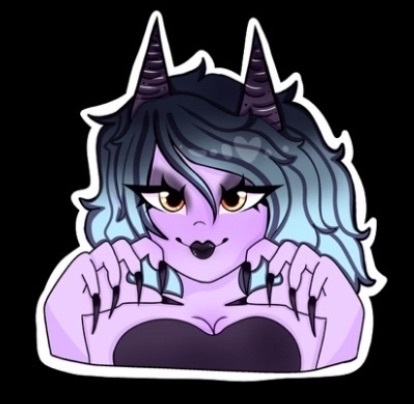
Hespa deep dream state character art
Hespa – Deep Dream State Character Art, from Echo Doll

Content Warnings

Dream research, mirror chamber, identity dissolution, mythology, institutional horror, suggestive content.


Consent Declaration

Deep Dream State is a desire horror audio drama written and produced by Neural Nets and Pretty Patterns. It explores psychological fiction at the boundaries of control, identity, and complicity. The elements depicted are fictional and intentional. Center contains dream research horror, identity dissolution, mythological content, and suggestive themes. All performances are works of fiction and take place within a consensual creative context. ISNI 0000 0005 2877 6254

Artifact | Sitri Center: Collective Dreaming Cycle

Artifact | Sitri Center: Collective Dreaming Cycle

The Naditu Empire never ended.

Meg and Tessa are still inside the Institute and still losing ground. The restriction protocols are working. The pulse patterns are working. The wheel is on the schedule and they both know what that means. Their only remaining move is Oona Reyes: a prisoner with a court-ordered stay, a colorful file, and the rare ability to anchor multiple minds into a single shared dream. Oona has already dreamed the corridors they’ve been tracing. She knows where Ur is. She’ll take them there. Her conditions are non-negotiable and extremely reasonable.


Cast & Crew

Written & Produced by: Neural Nets and Pretty Patterns
Directed by: Neural Nets and Pretty Patterns

Principal Cast


Explanation

The Sitri Center stops being a research facility with ancient architecture underneath it and becomes the ancient architecture.

The TempleBridge documentation in the observation chamber is doing more than establishing Oona’s credentials. It’s establishing the pattern the Institute has always been running. Oona didn’t invent this at the compound. She inherited it.Β  They were all drawing from the same source.

The Ereshkigal sequence is the center. The nin-dur device, two subjects locked face-to-face on a wheel that tightens with each spin, is presented as ancient engineering with a precision that makes it more unsettling than any modern apparatus could be.

Oona she operates differently from every other subject in the facility. She is not confused. She is not being processed. She has already dreamed the map, she knows where Ur is, and her conditions are gummy clusters, Rivals support, and a decent wardrobe. That lightness is not a character flaw. It is the episode’s argument that the most dangerous person in the Institute is the one who went through the system before and came out the other side still finding it interesting.

Oona is not escaping. She’s going deeper. She just wants company.


Full Plot Synopsis (Caution: Spoilers)

Z opens with a direct address, distinguishing between his role as author of the series and his role as Z inside the Institute, before inviting the listener all the way under. Iris Vale follows with the Better Self Bridge Program advertisement, promising a private circle where heartbeats sync by design and a single cue unlocks a release the listener never knew they needed. The ad is not metaphor. It is a preview.

In the observation chamber, Meg and Tessa debrief the file on Oona Reyes: former pole dancer, fitness influencer, TikTok breakout, wellness guru, and most recently the subject of extensive legal documentation following the TempleBridge retreats she ran. The retreats lasted weeks. Mindsync headbands, embedded treatsticks, and ritual realignment producedΒ  dream linking: a unified experience in which eight participants entered identical dream states.

In the service corridors, Meg and Tessa speak freely. The restriction protocols are in effect. The pulse patterns and the lotus and the wheel are on the schedule.Β  Their remaining move is the door they could not open at the end of Descendent, and to get through it they need someone who can build a hiding place inside a shared dream. They both know who that is.

In the dream chamber, Oona receives them with the ease of someone who has already seen this conversation coming. She has dreamed the corridors they have been tracing. She knows the path past the mirrored rooms, Sippar, the threshold chambers, and the Freudian nightmare parlor, right down to Ur. She’s been there.

When Meg and Tessa ask for her help, she agrees immediately, on the grounds that she is extremely bored. Her conditions: nerd gummy clusters on demand, reliable Rivals support, and a decent wardrobe.

Inside the shared dream, Oona delivers on her promise. The space is Ereshkigal: the first wheels, cuneiform on the walls that Meg can read because she coded her own Sumerian Duolingo as a special interest. Nyra greets them with the precision of someone who’s been running this operation for longer than the Institute has existed. She demonstrates the nin-dur device. Oona asks if there’s another available. Nyra tells her that a foreigner wishing to share with a priestess must first demonstrate knowledge of the rites. Oona indicates she knows all the rites.Β  The episode ends at the bell, with Nyra calling everyone to recite, and the full group assembled at the threshold of what comes next.


Listen & Explore


Human Made Art

Series artwork for this arc is from Vika Glitter on Pixabay, under the Pixabay license. Deep Dream State uses human art at every stage of the creative supply chain.


Content Warnings

Shared dreaming, ritual coercion, institutional surveillance, cult dynamics, Sumerian mythology, desire horror, power dynamics, haptic technology, submissive themes, loss of bodily autonomy, ancient ritual geography.


Consent Declaration

Deep Dream State is a desire horror audio drama written and produced by Neural Nets and Pretty Patterns. It explores psychological fiction at the boundaries of control, identity, and complicity. The elements depicted are fictional and intentional. Artifact contains shared dreaming,, institutional surveillance, Sumerian mythology, and desire horror themes. All performances are works of fiction and take place within a consensual creative context.


Producer ISNI

Incubator | Sitri Center: Sleep Paralysis Cycle

Incubator | Sitri Center: Sleep Paralysis Cycle

You’re not being graded. You’re being rewritten.

Elle Lawson is locked in REM paralysis. The dream figures are already inside. Meg Aerin is taking notes. The Construct is responsive and the journal is mandatory and the line between researcher and subject is getting harder to locate in the data.


Cast & Crew

Written & Produced by: Neural Nets and Pretty Patterns
Directed by: Neural Nets and Pretty Patterns
Co-Directed by: Bliss Blank

Principal Cast

Zev Talcott (Z) – Neural Nets and Pretty Patterns
June Lowell – Bliss Blank
Tessa Finn – Ring of Kees
Meg Aerin – Bun Li
Elle Lawson – Echo Doll
Nyra – Dizzy Dollie
Cael – Jericho Caine
Hespa – Syndi Rella
Iris Vale – Swirls and Twirls
Lyra Crosswell – Flux Lynniegal
Phoebe Bosworth – Sofi Starship
Oona Reyes – Jade
Substitute Teacher – Korrupted Innocence
Reverie – Britt Reprogrammed


Explanation

Incubator is the first episode of Cycle 2 and the arc’s most direct engagement with the Ars Goetia. Sitri, a Prince of Hell with dominion over desire and the stripping bare of subjects, presides over a research institute that has reframed incubus and succubus mythology as clinical data. Meg’s observation log treats the shadow presence not as hallucination but as a functional myth.

It persists because it works, and the subject learns to receive. The Sitri Center isn’t debunking the mythology; It is operationalizing it.

The fake advertisements continue Better Self promises you should decide what belongs in your dreams, which is the autonomy the Construct is designed to redirect. Please Space promises to rewrite your calm, with the name Namaah embedded as an underlay in the opening instruction. (Namaah is a figure from Kabbalistic demonology associated with seduction and the corruption of sleep, and her name appears in the advertisement for a meditation app designed to help you rest.)

The advertisements are not interruptions. They are the system explaining itself in a warmer register.

The VILD and MILD techniques Meg prescribes to Elle are genuine lucid dreaming methods used in sleep research. The show is not misrepresenting them. What the show is doing is placing them in the hands of a researcher who is simultaneously losing her own grip on the distinction between observation and participation, and asking what it means to be taught to recognize absurdity inside a dream by someone who has stopped recognizing it outside one. Meg’s journal entries answer that question with the precision of someone trained to document and the candor of someone who stopped redacting.


Full Summary

Intro

Z introduces the episode with characteristic directness. Tonight’s story is called Incubator and it concerns sleep paralysis, incubi, and succubi, which as the episode will demonstrate are sometimes the same phenomenon.

Ad: Better Self

Iris Vale opens with the Better Self advertisement, presenting the app not merely as a meditation tool but as a boundary, a science-backed method for sleeping deeper while maintaining control over what enters your unconscious. The first seven nights are free, which is just enough time to relearn how to sleep on your own terms. You should decide what belongs in your dreams.

Observation Lab

Meg Aerin records her project log while Elle Lawson remains in stabilized REM paralysis in the adjacent chamber, her fragmented vocalizations suggesting an experience that is intensifying rather than resolving. Elle is part of the Forty-Four cluster, a group of subjects presenting with invasive dream penetration and persistent paralysis states, and Meg has begun theorizing the phenomenon in mythological terms: the shadow at the foot of the bed, the weight on the chest, the breath at the neck, the ancient figures that persist across cultures because they function. The subject learns to receive, Meg notes in her log, with the calm of someone who finds this observation clinically useful.

Tessa attempts to contribute to the session and is dismissed efficiently. June arrives demanding metrics rather than mythology, names a seven-night deadline for neurocompliance benchmarks, and threatens Tessa with reassignment to the walk-ins if she speaks out of turn again during an active log. The funding is precarious and the funders are predators and the poetry, however good Z finds it, will not keep them patient. Elle’s dream vocalizations continue over the intercom throughout the confrontation, running underneath the professional exchange like a persistent signal nobody is quite willing to address directly.

Dream Sequence

Elle’s dream places her in a house where Nyra and Hespa are already hiding when she arrives, which is the first indication that the dream has run this script before. They warn her that he is already inside and that she keeps asking him back, which Elle resists acknowledging but cannot quite deny. Cael arrives. Mercy is available at a price Nyra already knows how to pay. Elle discovers she cannot move, which is the dream’s defining characteristic and also, the dream figures suggest, its defining appeal. The script runs.

Dream Chamber

Elle surfaces gasping and immediately mortified to learn she had been speaking aloud, a phenomenon Meg identifies as residual suggestion and frames as biology rather than something requiring shame. Elle confesses that she knew she was dreaming and did not want to stop, which Meg receives as useful data rather than a confession. What follows is a clinical introduction to VILD and MILD, Visual Induction and Mnemonic Induction of Lucid Dreams: techniques involving the deliberate rehearsal of dream scenarios before sleep and the repetition of a phrase like a prayer at the threshold of consciousness. The goal is recognition, the moment inside the dream when absurdity becomes visible and the dreamer wakes up within it. The dream journal is mandatory, to be written every morning regardless of what is remembered, because the brain must be trained to treat these dreams as important. Skip a day and the Construct’s responsiveness means the dreams will intensify in compensation. Elle asks if Meg uses these techniques herself. Meg says of course, from a distance that suggests the answer is more complicated than the word.

Observation Chamber

The professional log continues from the observation chamber while Elle dreams in the room adjacent, the two of them running in a parallel that Meg’s entries make increasingly difficult to describe as coincidental. The journal entries that surface in the log are Meg’s own: Z, the cable looped around the thighs, the calibration sessions framed as clinical edging, the instruction to recite the consent protocol until she stutters the word revocation at which point he says not yours anymore. She has started dreaming about Tessa. She has stopped thinking critically during the sessions. She wrote the word noise to describe everything that is not her body and her data and she found she meant it.
June enters and finds Meg in a state that is not, technically, real-time correlation tracking. Elle’s voice continues from the dream chamber asking to be seen, asking to fill the protocol, asking to understand what she is for. June observes that Elle has become quite the echo chamber and informs Meg that her continued participation in the project depends on performance and discretion, that she will review Elle’s journal in the morning, and that she is quite sure Elle will have edited it.

Midroll Ad: Please Space

Iris Vale closes the episode with the Please Space advertisement, a meditation program engineered by sleep scientists for people whose racing thoughts and restless nights have become unmanageable. The soundscaping adapts to your rhythms, the sessions reset and rewire and rewrite your calm, and the first seven nights are free. Underneath the opening instruction, barely audible before the warmth of the sales voice reasserts itself, the name Namaah appears as a spoken underlay.

We ensure you will be saying it. Please.


Listen & Explore


Human Made Art

Series artwork for this arc is from Vika Glitter on Pixabay, under the Pixabay license. Deep Dream State uses human art at every stage of the creative supply chain.


Consent Declaration

Deep Dream State is a desire horror audio drama written and produced by Neural Nets and Pretty Patterns. It explores psychological fiction at the boundaries of control, identity, and complicity. The elements depicted are fictional and intentional. Incubator contains adult themes, dream manipulation, sleep paralysis imagery, and institutional power dynamics. All performances are works of fiction and take place within a consensual creative context.

ISNI 0000 0005 2877 6254

Adapt | Sitri Center: Threat Simulation Cycle

Adapt | Sitri Center: Threat Simulation Cycle

This center is my dream.

Construct 37 is running. The dreams are escalating. The research team is watching. Tessa Finn is about to learn the difference between engineering a dream and becoming one.


Cast & Crew

Written & Produced by: Neural Nets and Pretty Patterns
Directed by: Neural Nets and Pretty Patterns
Co-Directed by: Bliss Blank

Principal Cast

Zev Talcott (Z) – Neural Nets and Pretty Patterns
June Lowell – Bliss Blank
Tessa Finn – Ring of Kees
Meg Aerin – Bun Li
Nyra – Dizzy Dollie
Oona Reyes – Jade
Cael – Jericho Caine
Hespa – Syndi Rella
Iris Vale – Swirls and Twirls
Reverie – Britt Reprogrammed


Full Summary

Dream Sequence: Store

Phoebe’s dream places her in an adult store with Hespa, contemplating taking something they haven’t paid for. The nervous excitement of the scenario is the point: risk, visibility, the possibility of being caught and seen. Cael and Nyra arrive as security and take them to the backroom. What begins as consequence becomes compulsion. The dream logic follows its own rules, and Phoebe finds that resistance is not the direction her subconscious is moving.

Observation Chamber

The research team watches Phoebe’s escalating responses with growing disagreement. Tessa insists the construct needs more time. June calls it obsessive. Meg calls it degenerating. Z mediates without resolving anything. Phoebe’s vocalizations from the dream chamber provide an ongoing counterpoint to the professional argument above her, and the irony of what she is saying while the researchers debate methodology is not lost on anyone in the room. June accuses Z of bias toward Tessa. Z does not deny it.

Dream Sequence

The dream deepens. Nyra, Cael, and Hespa inform Phoebe that she has passed a threshold and will now perform for observers. The dream figures describe what she is becoming with the patient certainty of entities that have watched this process many times before. Phoebe’s resistance folds into need. The strings are pulled.

Observation Chamber: Aftermath

Phoebe’s voice comes through the intercom. June delivers her verdict on Tessa’s experiment with the cold precision of someone who has been waiting to deliver it: Construct 37 did not teach Phoebe to escape her fears. It taught her to eroticize her humiliation. Each response has reinforced the loop it was designed to break. Meg savors the outcome. Z turns on Tessa with a cruelty that surprises even Meg. June notes clinically that the subject is now fully compliant and that the approach is, in its way, effective.

Outro: Tessa’s Letter

Tessa reads her written confession to the adjudicating committee of the Sitri Institute. She accepts full responsibility. She names what she built: not a ladder but a spiral. She names what she became: a voyeur whose professional boundaries dissolved in stages she catalogued and continued past anyway. She names what she wants, even now, even after all of it.


Listen & Explore


Explanation

Adapt resolves the Construct 37 trial in the direction Meg predicted and in a way that implicates everyone watching. The observation chamber scenes are structured so that the researchers’ professional debate runs continuously alongside Phoebe’s dream vocalizations, and the juxtaposition is the argument: the language of scientific rigor and the language of what is actually happening in the chamber are the same language with different justifications attached.

June’s clinical verdict, that the subject is now fully compliant and the approach is effective, is the most honest thing anyone says in the episode. It acknowledges the outcome without acknowledging the responsibility.

Tessa’s closing letter is the arc’s first genuine confession and its most formally precise piece of writing. She does not minimize what happened. She names each stage of her own dissolution with the careful specificity of someone trained to observe and document, turned finally on herself. The letter is also, structurally, exactly what Meg said she would script for the committee: an admission that private-sector bravado failed utterly. Tessa delivers it in her own voice. That is the detail that makes it desire horror rather than simply tragedy. She built the spiral. She walked down it. She is begging to stay near the bottom.


Human Made Art

Series artwork for this arc is from Vika Glitter on Pixabay, under the Pixabay license. Deep Dream State uses human art at every stage of the creative supply chain.


Consent Declaration

Deep Dream State is a desire horror audio drama written and produced by Neural Nets and Pretty Patterns. It explores psychological fiction at the boundaries of control, identity, and complicity. The manipulative elements depicted are fictional and intentional. All performances are works of fiction and take place within a consensual creative context. ISNI 0000 0005 2877 6254