Tag: full cast audio drama

Slowplay | Vale Four: Tell Cycle

Slowplay | Vale Four: Tell Cycle

Don’t twitch.

FaceTrace reads microexpressions before the subject knows what they’re thinking. Naia knows Vale Four is about to deploy it. June and Elle know they cannot afford a tell.

The question is whether you can teach yourself to lie with your face.


Highlights

This is the first episode of the Deep Dream State’s Tell Cycle.

Each Cycle in Vale Four looks at a different advertising phenomenon through the pink noir lens.  It’s uncanny but appealing at the same time.

A full description follows; a few elements should be highlighted.

1. The guest stars are stars. 

They always are.  In this case, we’re gratified to have Valentina Vallay on cast.  She’s a notable and fantastic voice actress.  She also plays the AI voice with sultry and evocative range.  It’s much better to cast a human as AI than the other ways around; that’s particularly true in this case.

2. Midstream is ridiculous.

The Deep Dream State is fiercely independent.  We don’t intend to have real ads for the foreseeable future.  That allows us to have the weird fake ads ever.

About midway through the episode, the most crazed sports podcast ever, Midstream, drops an ad.  This really makes Barstool Sports seem like Infinite Jest.  Highly recommended.

3. The sound design is innovative. 

It’s tough to convey screens and writing and whispers even in TV.  The episode features a lot of passed notes.  That’s communicated with whispers, less filtered, and pencil scratch.  I think it lands and enhances the paranoid atmosphere.

4. The tech is real.

The story is fictional .  We aren’t doing predictive or hard sci fi here.   At the same time, facial analysis for gauging consumer sentiment is real, advancing, and deeply unsettling.


Cast & Crew

Written & Produced by: Neural Nets and Pretty Patterns
Directed by: Neural Nets and Pretty Patterns
Co-Directed by: Bliss Blank
Midstream Sports: Neural Nets and Pretty Patterns as himself

Recurring Cast

Z – Neural Nets and Pretty Patterns
June Lowell – Bliss Blank
Tessa Finn – Ring of Kees
Meg Aerin – Bun Li
Naia Anderson – Dizzy Dollie
Elle Lawson – Echo Doll
Iris Vale – Swirls and Twirls
Cael Yupp – Jericho Caine
Hespa Apate – Syndi Rella

Guest Stars

Synthserv 3.0 – Valentina Vallay
Ava – Kitten Azazel
Mr. Mega – FFT
Mr. Beefcake – Chavito


Full Summary

Call

Naia records a private audio log from the garden nest. She’s afraid, and rightly so.

FaceTrace is different from the Calibrex systems: it doesn’t require cooperation. It reads microexpressions, dwell time, the involuntary signals produced before conscious thought has finished forming. The holdfasts inside Vale Four have been trained to pass, but no training accounts for a system that reads the face before the actor knows what they’re about to perform.

Naia names the stakes clearly: the IPO timeline is running, the call option has an expiry, and they cannot afford tells.

Deal

Meg, Tessa, and Hespa introduce FaceTrace to the focus group in the conference room. The framing is corporate and precise: contextual metadata, microexpression analysis, dwell time mapping.

Ava works with catechumens and recognizes the structure of confession.  She raises the comparison directly. Tessa affirms the surface resemblance and dismisses it with bloodless. June is welcomed back from her sabbatical and assigned an office next to the recalibration center. Tessa offers her the use of a second desk with an adorable little laptop.

Hold Em

The Midstream Sports advertisement runs.  It is extremely committed to the bit. Neural Nets and Pretty Patterns appears as himself and is removed from the recording for knowing too much about fantasy football :/.  Mr. Mega, Mr. Beefcake, and Hespa explain the product to the correct audience with maximum enthusiasm.

You never change horses in midstream.

Ante

June has arranged her office specifically around the plant she calls Seymour. June and Elle assess the FaceTrace threat in private: audio they can manage, video they can fool, but microexpression reading at the level FaceTrace operates is a different problem entirely. The solution is to practice on each other before the real sessions begin. Elle has already acquired the access codes.

Bluff

June runs Elle through the FaceTrace baseline protocol in the monitor room. The writing whisper technique carries their real communication underneath the performed neutrality: stage whispers stripped of reverb and set apart in the mix, functioning as written notes in audio form. Elle lingers on the wrong images for too long.  June clocks every tell in real time and writes it down.   Elle asks for more pictures – for science. June’s final writing whisper names what she has been watching the whole time. The session ends with both of them knowing considerably more about each other than they did when it started, and with a functional map of where their faces give them away.


Listen & Explore


Explanation

Slowplay is the Tell Cycle’s thesis statement delivered as a technical problem.

Every previous arc has used surveillance as a backdrop; here surveillance becomes the plot.  FaceTrace as the instrument that threatens to collapse the distinction between performance and self. The writing whisper technique is the audio drama equivalent of that threat made formal: a layer of communication running underneath the performed layer, visible to the listener but invisible to the system watching the characters.

June and Elle are doing in the monitor room exactly what the show is doing to its audience.

Ava’s confession comparison in the Deal scene is the arc’s most direct articulation of what FaceTrace actually is. Tessa’s response, acknowledging the surface resemblance and dismissing it as coincidence, is the most honest thing anyone at Vale Four says in the Tell Cycle. It’s a surface resemblance; the system underneath is considerably older.


Human Made Art

The poster image for this arc is from Sunrise Forever, under the Pixabay license. Layer art overlays are used to vary each iteration of the image. You can find the original here.


Consent Declaration

Deep Dream State is a desire horror audio drama written and produced by Neural Nets and Pretty Patterns. It explores psychological fiction at the boundaries of control, identity, and complicity. All elements depicted are fictional and intentional. Slowplay contains adult themes, psychological manipulation, surveillance technology, and suggestive content. All performances are works of fiction and take place within a consensual creative context.

ISNI 0000 0005 2877 6254

Sinker | Vale Four: Hooks Cycle

Sinker | Vale Four: Hooks Cycle

The whole world is already singing.

Sinker is the third episode of the Vale Four arc and the Hooks Cycle. The hook doesn’t need the lab anymore.
Hilton and Astoria have opinions. Celeste and Vera finally tell someone. That someone tells Z. Z tells Iris. Iris tells the camera. The camera tells everyone.

June watches. Naia plants seeds and waits.

Vale Four goes public. So does everything else.


Cast & Crew

Written & Produced by: Neural Nets and Pretty Patterns
Directed by: Neural Nets and Pretty Patterns
Co-Directed by: Bliss Blank

Recurring Cast

Z – Neural Nets and Pretty Patterns
June Lowell – Bliss Blank
Tessa Finn – Ring of Kees
Meg Aerin – Bun Li
Naia Anderson – Dizzy Dollie
Elle Lawson – Echo Doll
Iris Vale – Swirls and Twirls
Cael Yupp – Jericho Caine
Hespa Apate – Syndi Rella
Astoria – Dakota Dream
Hilton – Tickled Panda
Synthserv 3.0 – Valentina Vallay

Guest Stars

Vera – Fallen
Celeste – Panda Moanium


Scene By Scene Summary

Hilton Astoria

Two women observe the proceedings from a comfortable remove and have thoughts.  Delivered with the energy of people who have seen this particular show before and are not impressed but cannot look away. Hilton and Astoria function as the episode’s conscience and its comic relief, which in desire horror are often the same job. They know more than they should. They’re going to tell you anyway. The balcony is open.

Motif

Celeste and Vera come to Elle because she never makes them feel stupid.  This is, of course, exactly why Elle needs them.  The scene operates on two frequencies simultaneously: two women trying to describe something that is happening to them in real time, and one woman trying to collect testimony without tipping her hand. Elle hands them a map with heart-shaped dots she calls X marks.  She tells them to only share what they know with someone they can trust.  The camera knows where this is going.  Elle knows where this is going.  Celeste and Vera are about to find out.

Chord

Celeste and Vera go to Z.  Z goes to Iris.  Iris pours coffee.  The scene plays as institutional warmth until you notice how fast the intake form appears, how quickly the scale of one to five replaces the open question, and how efficiently two women describing a genuine crisis get rerouted into additional programming and shower privileges. Z and Iris are not villains in this scene.  They are professionals.  That is the horror.

Tilt

Vera plays pinball. Pinball plays Vera.  The arcade sequence is the episode’s most formally precise scene: a haptic feedback loop so well designed it doesn’t need a lab to function. The machine has the hook. The machine has always had the hook. Celeste watches and arrives, with some urgency, at the conclusion that they need to try a different way out. She still has the map.

Unmasked

Celeste and Vera find the X on the map and press the button. The shutters open. What they see on the other side is not, technically, them. That distinction stops mattering fairly quickly. Tessa arrives and the scene pivots from institutional warmth to something considerably colder. Tessa is not managing them anymore. She is diagnosing them. Then she is dismissing them. Then Iris arrives and they are wardrobe. The episode’s central horror lands here: the difference between subject and asset was always administrative.

Hooks Inc.

Z and Iris perform an infomercial for the system they are running.  This is not a metaphor.  They literally perform an infomercial, complete with product demonstration, testimonials from Celeste and Vera, and a jingle Iris did not realize she had already absorbed.  The scene is the boldest formal move in the Vale Four arc: desire horror as direct address, the fourth wall as a control surface.  Z explains the Haptic Hook with the confidence of someone who has never once considered that explaining it might also be deploying it.  Iris figures this out approximately one beat too late.

You were always going to perform. They just gave you an audience.

Pruning

June and Naia in the garden nest, processing what they just watched.  June is disgusted.  June is also, she would rather not admit, a little turned on.  Naia is not surprised nor particularly moved.  She has been thinking in longer cycles than anyone else in this facility and the crop, she concludes, simply was not ready.  They will plant more seeds.  They will wait.  One will bloom in time.

The episode ends in a garden with two women who understand the system better than anyone and are choosing, for now, to tend it from the outside.


Listen & Explore


Framework

Deep Dream State coined the desire horror genre to describe exactly what Sinker demonstrates: the most effective systems of control don’t need a dedicated space to function. They need a pattern. Any pattern. Workout mixes. Video games. An arcade in a corporate research facility on an island in the Pacific Northwest. Once the hook is installed it doesn’t care where the signal comes from.

Sinker is the episode where Vale Four stops being a contained experiment and starts being an infrastructure. The Haptic Hook sequence is not just the arc’s formal highpoint. It is the argument the entire series has been building toward: desire horror doesn’t override the will. It books it. It puts it on a schedule. It gives it better lighting and calls it picture.

Z explains the system with the serenity of someone who has genuinely never considered that the explanation might also be the product. Iris figures this out one beat too late. The audience, depending on how carefully they have been listening, may have figured it out several episodes ago. That gap is where the genre lives.


Human Made Art

The poster image for this arc is from Sunrise Forever, under the Pixabay license. Layer art overlays are used to vary each iteration of the image. You can find the original here.


Consent Declaration

Deep Dream State is a desire horror audio drama written and produced by Neural Nets and Pretty Patterns. It explores psychological fiction at the boundaries of control, identity, and complicity. The manipulative elements depicted are fictional and intentional. This is a story about what happens when consent is algorithmically removed, not a celebration of that process. Vale Four explores audio conditioning and behavioral manipulation as horror. The hooks in this episode are fictional. The science behind them is not. All performances are works of fiction and take place within a consensual creative context.

Hook Line | Vale Four: Hooks Cycle

Hook Line | Vale Four: Hooks Cycle

You already fell for it.

Hook Line is the second episode of the Vale Four arc and the Hooks Cycle.  The audience’s impulses drive the narrative. In desire horror, the audience always gets exactly what they want and then some.

In this case, you wanted the hook to work harder.

The music patterns spread beyond the lab and into the bodies of everyone within earshot. Celeste and Vera discover the staff isn’t immune. They’re just self-medicating.

June and Naia grow closer as Naia reframes total surrender as strategy.

Elle and Cael find something buried in the walls of Vale Four that shouldn’t exist: the document that could bring the whole IPO crashing down.

Elle has to convince two increasingly compromised women to trust her enough to testify.


Cast & Crew

Written & Produced by: Neural Nets and Pretty Patterns
Directed by: Neural Nets and Pretty Patterns
Co-Directed by: Bliss Blank

Recurring Cast

Z – Neural Nets and Pretty Patterns
June Lowell – Bliss Blank
Tessa Finn – Ring of Kees
Meg Aerin – Bun Li
Naia Anderson – Dizzy Dollie
Elle Lawson – Echo Doll
Iris Vale – Swirls and Twirls
Cael Yupp – Jericho Caine
Hespa Apate – Syndi Rella
Astoria – Dakota Dream
Hilton – Tickled Panda
Synthserv 3.0 – Valentina Vallay

Guest Stars

Vera – Fallen
Celeste – Panda Moanium


Scene By Scene Summary

Hooked

Celeste’s paranoia meets Vera’s pragmatism in the sleeping quarters.  When Vera produces something she lifted from the gym lockers, she offers a demonstration that reframes the entire premise: the staff aren’t resistant to the hooks.  They’re just managing them differently.  The scene ends on a moan that isn’t just two women; it’s a chorus.

Honeysuckle

June and Naia’s dynamic crystallizes in the garden nest.  June can see herself in the dorm.  She understands, viscerally, why the hooks work.  Naia reframes this not as vulnerability but as intelligence: knowing the system is the only real protection against it.  Their intimacy here is genuine, but layered with tactical subtext.

Treasure

Elle and Cael breach a room that isn’t on any floor plan.  What they find there is the load-bearing document of the entire Vale Four narrative: the original charter, paper only, no backup, establishing that if the IPO fails, control of everything reverts automatically to Meridian A and Naia. Vale Four assumed no one would ever get this far.  Elle and Cael just did.

Motif

Elle works the room.  Celeste and Vera have come to her because she never makes them feel stupid.  The scene is a masterclass in the desire horror genre’s central tension: the people being manipulated and the people doing the manipulating are often operating from the same place of genuine need.  Elle wants their testimony. Celeste and Vera want someone to tell them what’s happening to them is real.  Neither side is lying.  Both sides are working an angle.  Elle hands them a map with heart-shaped dots and calls them X marks.

Elle closes the episode by telling them to only tell people they can trust.  I think we can all see where this is headed.


Listen & Explore


Framework

The most effective systems of control don’t override your will. They recruit it like waow. By the time Celeste and Vera walk into that conference room, they aren’t victims looking for rescue. They’re participants looking for context. The horror is that the distinction might not matter.

Vale Four’s IPO isn’t just a financial event. It is the moment the system goes public. The attention, the compliance, and the conditioned response of every person inside the facility becomes a tradeable asset. “Hook Line” is the episode where that abstraction becomes a document with a clause and a deadline.


Human Made Art

The poster image for this arc is from Sunrise Forever, under the Pixabay license. Layer art overlays are used to vary each iteration of the imageYou can find the original here.


Consent Declaration

Deep Dream State is a desire horror audio drama written and produced by Neural Nets and Pretty Patterns.  It explores psychological fiction at the boundaries of control, identity, and complicity.  The manipulative elements depicted are fictional and intentional.  This is a story about what happens when consent is algorithmically removed, not a celebration of that process.  Vale Four explores audio conditioning and behavioral manipulation as horror.  The hooks in this episode are fictional. The science behind them is not. All performances are works of fiction and take place within a consensual creative context.


Chapters

Refrain (Premiere) | Vale Four: Hooks Cycle

Refrain (Premiere) | Vale Four: Hooks Cycle

“Is this bait?”

Refrain is the premiere episode of Vale Four, the fourth arc of the Deep Dream State desire horror series.  Desire horror is deeply immersive storytelling; the audience’s impulses drive the narrative.

Vale Four follows a covert operation to expose a corporate research facility before their IPO.  The facility picks up where Sitri left off.

Each Cycle tracks a different advertising technology.  They’re all real, although heavily fictionalized.   The first Cycle is about audio hooks – those engineered songs you can’t get out of your head.  (Noted examples include “Never Gonna Give You Up,” “Call Me Maybe,” and the Menard’s jingle.)

It is also about who built those systems, why, and what they were always actually for.  Vale Four lands at a moment when algorithmic manipulation and attention engineering are subjects of  public alarm (or they should be.)  We take them seriously as horror and philosophy.

Refrain introduces the facility, the focus group, the founders, and the fracture lines that’ll run through the entire arc.  It’s also an argument that the most unsettling thing a story can do is make you enjoy exactly what it is warning you about.


Cast & Crew

Written & Produced by: Neural Nets and Pretty Patterns
Directed by: Neural Nets and Pretty Patterns
Co-Directed by: Bliss Blank

Recurring Cast

Z – Neural Nets and Pretty Patterns
June Lowell – Bliss Blank
Tessa Finn – Ring of Kees
Meg Aerin – Bun Li
Naia Anderson – Dizzy Dollie
Elle Lawson – Echo Doll
Iris Vale – Swirls and Twirls
Cael Yupp – Jericho Caine
Hespa Apate – Syndi Rella
Astoria – Dakota Dream
Hilton – Tickled Panda

Guest Stars

Vera – Fallen
Celeste – Panda Moanium


Episode Summary

Naia Anderson hits record and starts testifying for her future.  Her future may well be ours.

Once the architect of a controversial neurological research program, Naia watched her work migrate from the academic shadows of Sitri into a sleek corporate project called Vale Four.  Officially, Vale Four studies advertising.  The sinister agenda might be below the surface – or it might be the surface itself.

On a remote island facility, paid participants believe they’re helping researchers study earworms and musical hooks.  The experiment seems harmless at first, but the hooks don’t stop when the lights go out.  They invade sleep, rewrite habits, and slowly erode the line between suggestion and control.  When one subject suddenly wakes up from the conditioning, she discovers just how much of her identity has been quietly rewritten.  Meanwhile, far from the lab, Naia watches the system she built evolve beyond its creators and begins planting the seeds for another kind of garden.


Listen & Explore


Human Made Art

The poster image for this arc is from Sunrise Forever, under the Pixabay license. Layer art overlays are used to vary each iteration of the imageYou can find the original here.


Consent Declaration

Deep Dream State is a desire horror audio drama written and produced by Neural Nets and Pretty Patterns.  The series uses desire horror to explore psychological fiction at the boundaries of control, identity, and complicity.  The manipulative elements depicted are fictional and intentional.  This is a story about what happens when consent is algorithmically removed, not a celebration of that process.  Vale Four explores audio conditioning and behavioral manipulation as horror.  The hooks in this episode are fictional. The science behind them is not. All performances are works of fiction and take place within a consensual creative context.


Arouse (Finale) | Sitri Center: False Awakenings Cycle

Arouse (Finale) | Sitri Center: False Awakenings Cycle

The medium was always the mechanism.

Arouse concludes the Sitri Center arc and completes Deep Dream State’s five-hour narrative exploration of control, desire, and surrender. The staff and subjects of the dream research institute finally confront the true nature of the systems reshaping them. As the boundary between experiment and experimenter collapses, one final revelation reframes everything that came before. This finale marks the conclusion of the longest continuous narrative arc in adult audio drama, a five-hour journey that demanded listeners become complicit in the very systems it was examining.


Cast & Crew

Written & Produced by: Neural Nets and Pretty Patterns
Directed by: Neural Nets and Pretty Patterns

Staff

Dream Team

Subjects


Episode Synopsis (Caution: Spoilers)

The finale opens with the system beginning to fail. Elle, the AI managing the dream chamber, starts to glitch as the infrastructure supporting her breaks down. Tessa and Meg recognize a cascade failure in progress. Before they can intervene, Z issues a command through the PA that sends every dreamer into synchronized chanting, and the hierarchy of the Sitri Center inverts: the staff understand, at last, that they’ve never been running the system. They’ve been inside it.

June enters and methodically removes every remaining illusion of therapeutic purpose. The subjects who came seeking healing have been carefully guided toward specific outcomes through the very mechanisms that promised liberation. Tessa objects. June responds with the clarity of someone who resolved this question some time ago: the goal isn’t punishment but transformation. Free will isn’t being taken. It’s being cured.

The finale then breaks its own frame. Iris Vale, the voice delivering advertisement breaks throughout the arc, steps forward as something considerably more than a commercial announcer. She reveals that the elements listeners understood as separate – the narrative, the ads, their own attention and engagement – were never separate at all. Every moment of listening became part of a working designed to transform both the characters inside the story and the audience outside it. The Sitri Center was a mechanism. The audio drama was the delivery system. The listeners were always the subject population.

Tessa and Meg push back: people should know what’s happening to them. Iris points out that they did know. They pressed play anyway. Attention paid freely is still payment. Iris recontextualizes every mythological element of the arc: the dream figures aren’t characters, they’re archetypal forces recontextualized for contemporary desire, and the Sitri Center was always a temple. The listeners were always the congregation.

The arc closes on the wheel spinning again, the characters speaking directly to the listener, and the question Deep Dream State has always been asking answered not in dialogue but in the structure of the thing itself. The listener isn’t observing a story about complicity. They’re inside one. There is no opting out. There is only the next spin of the wheel.


Listen & Explore


Human Made Art

Series artwork for this arc is from Vika Glitter on Pixabay, under the Pixabay license. Deep Dream State uses human art at every stage of the creative supply chain. Find the image bibliography here.


Content Warnings

Dream research, institutional horror, fourth wall collapse, mythological recontextualization, collective attention mechanics, suggestive content, arc finale.


Consent Declaration

Deep Dream State is a desire horror audio drama written and produced by Neural Nets and Pretty Patterns. It explores psychological fiction at the boundaries of control, identity, and complicity. The elements depicted are fictional and intentional. Arouse contains dream research horror, mythological content, fourth wall address, and suggestive themes. All performances are works of fiction and take place within a consensual creative context.

ISNI 0000 0005 2877 6254

Sync | Sitri Center: False Awakenings Cycle

Sync | Sitri Center: False Awakenings Cycle

Barbie goes matryoshka.

Meg and Tessa believe they’ve reached Ur, the destination they’ve been mapping through the Institute’s dream architecture. What they find there is Nyra, who has been waiting, and a version of the lucid dreaming protocols they know being used in a direction they didn’t anticipate. The structure of Sync is its argument: every apparent resolution collapses into another layer, and the researchers discover they can’t locate the bottom of the system because the system has no bottom. It has only more dream.


Cast & Crew

Written & Produced by: Neural Nets and Pretty Patterns
Directed by: Neural Nets and Pretty Patterns

Staff

Dream Team

Subjects


Episode Synopsis (Caution: Spoilers)

The episode opens at the temple of Ur, the mythological center of the dream world, where Nyra is already present and waiting. Rather than offering the confrontation Meg and Tessa came prepared for, she uses the lucid dreaming protocols they know – time checks, hand counts, mirror tests – as instruments of a different kind of examination. The MILD and VILD techniques that teach dreamers to recognize that they’re dreaming become, in Nyra’s hands, tools for demonstrating that what the researchers understand as their professional identity and autonomous judgment are constructions the system installed. The techniques work. That’s the problem.

Nyra’s position in the dream is ancient and precise: she is a being of pure dream knowledge who abandoned pretense long before the Sitri Center existed, and she is truthful in the way that things which predate the concept of lying are truthful. She doesn’t deceive Meg and Tessa. She shows them what the mirror test actually reveals when the person holding the mirror has been inside the system this long.

When the scene shifts, Meg and Tessa surface into what appears to be the observation room, occupying what appear to be their normal roles. The observation room turns out to be another layer. They are not system operators. They are central subjects, held in the false-awakening cycle they came to investigate, unable to determine whether they have ever truly woken. A large-scale operation runs around them: subjects in perpetual false-awakening states, an AI overlay managing the machinery and deteriorating, the whole structure chanting in synchronization as Meg and Tessa realize the floor they were standing on was always part of the dream.


Listen & Explore


Human Made Art

Series artwork for this arc is from Vika Glitter on Pixabay, under the Pixabay license. Deep Dream State uses human art at every stage of the creative supply chain. Find the image bibliography here.


Content Warnings

False awakening, lucid dreaming, dream research, sleep paralysis imagery, institutional horror, mythology, suggestive content.


Consent Declaration

Deep Dream State is a desire horror audio drama written and produced by Neural Nets and Pretty Patterns. It explores psychological fiction at the boundaries of control, identity, and complicity. The manipulative elements depicted are fictional and intentional. Sync contains false awakening sequences, dream research horror, mythological content, and suggestive themes. All performances are works of fiction and take place within a consensual creative context.

ISNI 0000 0005 2877 6254

Center | Sitri Center: False Awakenings Cycle

Center | Sitri Center: False Awakenings Cycle

The abject never looked this good.

Meg and Tessa have entered the mirror chamber at the heart of the Sitri Institute’s dream architecture. Nyra is already there. Center is the episode where the testing protocols – clock checks, finger counting, mirror reflection – stop functioning as tools the researchers use and start functioning as tools being used on them.


Cast & Crew

Written & Produced by: Neural Nets and Pretty Patterns
Directed by: Neural Nets and Pretty Patterns

Staff

Dream Team

Subjects


Episode Synopsis (Caution: Spoilers)

Meg and Tessa enter the mirror chamber with the shedding Oona required of them at Ur’s threshold: no pride, no independent thought, nothing they were still holding. Nyra receives them as someone who has been running this station across a considerable span of time and recognizes the difference between subjects who’ve been sent and subjects who’ve arrived. She speaks what Meg and Tessa have internalized and concealed — not as accusation but as inventory, with the precision of someone who catalogued it long before they did.

The clinical reality-testing protocols the researchers know – clock checks, finger counting, mirror reflection – function in this chamber as Nyra intends rather than as the researchers intend. Each test designed to establish wakefulness establishes instead how thoroughly the framework has been internalized. The researchers can’t step outside it to check. The framework is the inside.

Center closes on recognition rather than resistance. Meg and Tessa discover they’re already inscribed with the identities and purposes the Sitri Center designed, not through force but through the accumulated logic of every choice they made that felt like their own. Nyra names this not as an ending but as a beginning. The apparatus continues. The researchers will emerge. The question the episode leaves open is whether emerging and being released are the same thing.


Listen & Explore


Human Made Art

Series artwork for this arc is from Vika Glitter on Pixabay, under the Pixabay license. Deep Dream State uses human art at every stage of the creative supply chain.

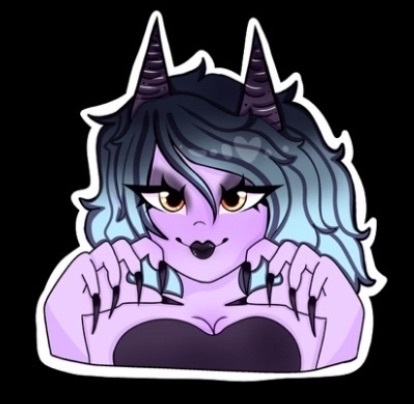
Hespa deep dream state character art
Hespa – Deep Dream State Character Art, from Echo Doll

Content Warnings

Dream research, mirror chamber, identity dissolution, mythology, institutional horror, suggestive content.


Consent Declaration

Deep Dream State is a desire horror audio drama written and produced by Neural Nets and Pretty Patterns. It explores psychological fiction at the boundaries of control, identity, and complicity. The elements depicted are fictional and intentional. Center contains dream research horror, identity dissolution, mythological content, and suggestive themes. All performances are works of fiction and take place within a consensual creative context. ISNI 0000 0005 2877 6254

Override | Sitri Center: Collective Dreaming Cycle

Override | Sitri Center: Collective Dreaming Cycle

Welcome to the Hive. Here come the queen bees.

Meg and Tessa surface from dreamlock not entirely sure what just happened, and Oona’s not going to let them forget it. The temple they descended into last entry turns out to be something else entirely: a blueprint, not a metaphor, its architecture a precise echo of the server infrastructure running underneath the Sitri Institute. The wheels are drives. The ducts are data channels. The naditu are packets. And the Hive is where consciousness goes when it stops asking questions and starts running on loop. Oona knows the way through. The price is everything they’re still holding onto.


Cast & Crew

Written & Produced by: Neural Nets and Pretty Patterns
Directed by: Neural Nets and Pretty Patterns

Principal Cast


Explanation

Override is  where the Sitri Center’s mythology becomes operational infrastructure. The reveal in S8 – that the temple Oona’s been navigating is a blueprint of the Institute’s server architecture – reframes everything Meg and Tessa have been mapping. The wheels are drives. The offering tables are edge gateways. The cooling system’s the splash. The naditu aren’t metaphors for data packets. They are data packets.

The Institute didn’t build a research facility that happened to echo ancient ritual geography. It built a consciousness processing system and dressed it in the only architecture that already knew how to do the job.

The Hive sequence is the arc’s most desire horror writing. The synchronized subjects running on loop, trading doubt for dopamine, locked into eternal yes – this is what complete alignment looks like from the inside. Oona presents it as a destination rather than a warning. Elle and June administer it with the cheerful efficiency of people who’ve already arrived. Tessa and Meg recognize the pattern as a map and read the code out of the wave before the loop can close around them. The question the sequence leaves open is whether recognition protects you or just makes the surrender more informed.


Full Plot Synopsis (Caution: Spoilers)

Meg and Tessa surface from dreamlock into the dream chamber, disoriented and uncertain about what just happened between them. Oona’s unsympathetic and delighted in equal measure. She confirms it was real and attributes it to muscle memory, citing the punishment relay as precedent. When Tessa redirects toward the temple, Oona describes it as a favorite: gorgeous layout, great acoustics, wheels that make you giggle until you cry. Tessa’s seen the layout before. She places it: the new server room. Meg follows the thread. The offering tables are edge gateways. The wheels are drives. The splashes are cooling systems. The architectural echo’s precise enough to be a blueprint rather than an allegory. If the dreamspace is encoding real infrastructure, the map they’ve been following is a source map — designed to process consciousness the same way the Institute processes information. Oona finds this extremely fucked and loves it. Tessa asks if her temple has sacrifice. Oona goes quiet. They agree they need to go back under. Oona knows where to get the code. Her condition: no flinching, no shame. It’s her dream.

Inside the Hive, synchronized subjects run on a loop, their consciousness reduced to numerical patterns cycling through stimulus and response. They traded doubt for dopamine. Elle and June administer the system with cheerful authority, keeping the whole row smiling, calling them program puppets. Tessa and Meg watch the wave and begin to read it: the pattern isn’t chaos, it’s a map, and they’ve seen it before. Step by step it resolves into coordinates. The sequence terminates in Ur. Tessa reads it first. Meg follows. They have the code.

Surfacing again, Meg and Tessa aren’t entirely themselves. The buzzies exchange that follows reveals the extent of what the Hive’s already done: Meg’s asking for reward in terms she didn’t arrive with, and Tessa’s startled enough to snap them both back. Oona’s unbothered. She describes what happened as a Pavlov lullaby rather than rewiring — no scalpel, no chip, just the brain doing what brains do when exposed to the right conditions at the right depth. Tessa calls it an override. Oona calls it a revelation. The distinction: she always knocks first. When Meg asks what happens if she knocks again, Oona smiles and says they’d find out how many doors they haven’t found yet. She declines to demonstrate. She says she’s on their side. They don’t fully believe her. She doesn’t need them to.

Oona explains the requirement for Ur: you don’t get through with pride, or thoughts, or anything you’re still holding. The door demands shedding, and dignity’s just the easiest place to start. Meg asks if they have to lose something. Oona says everything. The rest, she tells them, will be easy — it’s exactly what they asked for. They’ve got the answer key now. Meg and Tessa agree, sheepish and certain in equal measure.

Oona says heel, and they do.


Listen & Explore


Human Made Art

Series artwork for this arc is from Vika Glitter on Pixabay, under the Pixabay license. Deep Dream State uses human art at every stage of the creative supply chain.


Consent Declaration

Deep Dream State is a desire horror audio drama written and produced by Neural Nets and Pretty Patterns. It explores psychological fiction at the boundaries of control, identity, and complicity. The elements depicted are fictional and intentional. Override contains shared dreaming, behavior modification, hive mind imagery, desire horror themes, and suggestive content. All performances are works of fiction and take place within a consensual creative context.

ISNI 0000 0005 2877 6254

Tether | Sitri Center: Collective Dreaming Cycle

Tether | Sitri Center: Collective Dreaming Cycle

Episode Summary

In “Tether”, the boundaries between discipline, devotion, and discovery blur beyond recognition inside the Sitri Institute. What begins as a study of synchronized dreaming becomes an experiment in control.

Meg and Tessa are drawn into the same patterns they once observed, repeating phrases that echo through the walls like incantations.  Z weaves the experiment into a living labyrinth that no one can step out of unchanged.

The story threads ancient archetypes through clinical precision, invoking the myth of Ariadne’s thread as the researchers realize they may be both observer and subject, scientist and offering. By the end, the Sitri Center feels less like an institution and more like a consciousness of its own.  This is a dream that remembers, responds, and reawakens.

“Tether” continues Deep Dream State: Sitri Center, following the events of Episode 6: Descendent, as the dream tightens its grip and the Institute begins to hum with life beneath its walls.


Cusp | Sitri Center: Liminal Spaces Cycle

Cusp | Sitri Center: Liminal Spaces Cycle

Between what you want and what you’ll admit.

Lyra Crosswell dreams in corridors. Mezzanines, transfer tunnels, platforms that lead nowhere she can name. She thought it was an aesthetic obsession. The Sitri Center thinks it’s a map.

Something is encoded in the Institute’s architecture, and Lyra’s subconscious has been tracing it all along.


Cast & Crew

Written & Produced by: Neural Nets and Pretty Patterns
Directed by: Neural Nets and Pretty Patterns

Principal Cast


Explanation

Cusp is the episode where the Sitri Center stops being a research facility and starts being a place with a much older purpose.

The liminal space framework that runs through Lyra’s dreams describes Lyra’s psychological state with precision: sixteen variations of the same pattern, desire trained to hold itself at the edge indefinitely. But it’s also describing the Institute itself, which has been engineered to keep everyone inside it in exactly that condition. Subjects, researchers, and staff all occupy the same threshold. Nobody crosses.

That’s the design.

The Mesopotamian geography embedded in Lyra’s journals – Sippar, Kutha, Eanna, Ereshkigal, Ur – is the mythological architecture of descent. These are the gates of the underworld in Sumerian cosmology, the stations Inanna passes through on her way down, surrendering something at each threshold until she arrives stripped of everything she carried in. The Sitri Center has built those gates into its maintenance infrastructure and labeled them in shorthand. Lyra’s subconscious has been navigating the actual building in her sleep, which means her dreams aren’t symptoms of her psychology. They’re a map she’s been reading without knowing she could read it.


Full Summary (with spoilers)

Z opens the entry framing the evening around liminal spaces and thresholds.  They’re the in-between places where social rules loosen and the map runs out. Iris Vale follows with an in-world advertisement for Better Self, a wellness app that promises to guide users through the space between stress and serenity, offering breathwork sessions that slot into the cracks of the day. The language of the ad mirrors the Institute’s own: controlled entry, managed threshold, a destination reframed as a moment of recognition.

In the observation chamber, Elle Lawson appears in her new role as Lead Transitional Officer, bright and eager and several registers below the intelligence she once occupied. Tessa and Meg register this quietly. The alignment took weeks. Elle is very aligned now. Dr. June Lowell arrives and wastes no time: she reminds Meg that Elle, who once sounded exactly like her, is now her supervisor. Z defends Elle warmly, positioning himself as her guide through uncharted territory. The team monitors Lyra Crosswell, an urban photographer whose waking fixation on mezzanines and transfer tunnels has become infinite corridors in her sleep. Her liminal entry signature is a whispered phrase. Her dream patterns have signposts. The Institute is reading them.

In the dream chamber, Meg and Tessa speak directly to the sleeping Lyra, framing themselves as cartographers of territory that has no existing map. Lyra asks if she’s the terrain. They confirm it. The conversation turns personal: both researchers are on restriction protocols following their demotions, forbidden from release, their own dream states intensifying in the absence. Meg explains that forbidden places don’t disappear from the subconscious — when the waking world says no entry, the mind builds a tunnel. Tessa notes that the thresholds they used to leave blank on the map, the places where fear and wanting become the same thing, are precisely what they’re here to chart. Lyra agrees to go under. They’ll watch every signal.

Inside Lyra’s dream, she finds herself at Crossroads — a truck stop where she works alongside Nyra and Hespa in a hospitality unit. Elle and June arrive as inspectors, clinical and proprietary. The inspection has a protocol. Their minute expires before it concludes. Cael arrives as a familiar client, intrigued by the new talent. Nyra explains that the names change but the role doesn’t — it’s always the same. Lyra performs. The dream builds toward the familiar edge and stops there, as it always does.

Back in the observation chamber, Meg and Tessa watch Lyra’s biometric data trace every physiological marker of climax without the release. This is the sixteenth variation. Lyra’s subconscious has trained itself to hold her at the threshold indefinitely — her limbic system firing and firing without discharge. They pull her dream journals: an elevator shaft with a brake panel she can never quite clear, a waiting room where every name gets called except hers, a subway turnstile that closes the moment the gates open. Then Meg reads the station names aloud. Sippar. Kutha. Eanna. Ereshkigal. Ur. Tessa’s voice catches. She asks Meg to read them again, slowly. This isn’t mythology. This is ritual. They exit the monitored chamber immediately.

In the unmonitored service corridors, Tessa explains: everything inside is recorded, which is why they couldn’t speak. The corridors are blind spots; Meg has used them before, for exactly that reason. Tessa tells her that Lyra’s dreams aren’t random associations. They’re maps to real locations. Meg pushes back: shared mythology, book club, coincidence. Tessa directs her to the brass maintenance panel on the wall behind her. Meg reads it aloud. IDF CLOSET 51P-PAR. Tessa asks her to read it again.

SIP-PAR. Sippar.

The ancient city from Lyra’s dreams is encoded in the Institute’s infrastructure. The Sitri Center’s architecture isn’t metaphorically connected to ancient ritual geography. It is ritual geography, built in concrete and labeled in maintenance shorthand, and Lyra’s subconscious has been tracing its blueprint through sixteen variations of the same unreleased dream.


Listen & Explore


Human Made Art

Series artwork for this arc is from Vika Glitter on Pixabay, under the Pixabay license. Deep Dream State uses human art at every stage of the creative supply chain.


Consent Declaration

Deep Dream State is a desire horror audio drama written and produced by Neural Nets and Pretty Patterns. It explores psychological fiction at the boundaries of control, identity, and complicity. Cusp contains liminal space horror, institutional surveillance, denial themes, power dynamics, and architectural horror. All performances are works of fiction and take place within a consensual creative context. ISNI 0000 0005 2877 6254