Override | Sitri Center | S3E9 | GE24
Welcome to the Hive. Here come the queen bees.
Meg and Tessa surface from dreamlock not entirely sure what just happened, and Oona’s not going to let them forget it. The temple they descended into last entry turns out to be something else entirely: a blueprint, not a metaphor, its architecture a precise echo of the server infrastructure running underneath the Sitri Institute. The wheels are drives. The ducts are data channels. The naditu are packets. And the Hive is where consciousness goes when it stops asking questions and starts running on loop. Oona knows the way through. The price is everything they’re still holding onto.
Cast & Crew
Written & Produced by: Neural Nets and Pretty Patterns
Directed by: Neural Nets and Pretty Patterns
Principal Cast
-
- Dr. Zev Talcott (Z): Neural Nets and Pretty Patterns
- Iris Vale: Swirls and Twirls
- Dr. Tessa Finn: Ring of Kees
- Dr. Meg Aerin: Bun Li
- Dr. June Lowell: Bliss Blank
- Elle Lawson: Echo Doll
- Oona Reyes: Jade
- Nyra: Dizzy Dollie
- Hespa: Syndirella
- Cael: Jericho Caine
- Phoebe Bosworth: Sofi Starship
- Reverie: Britt Reprogrammed
Explanation
Override is where the Sitri Center’s mythology becomes operational infrastructure. The reveal in S8 – that the temple Oona’s been navigating is a blueprint of the Institute’s server architecture – reframes everything Meg and Tessa have been mapping. The wheels are drives. The offering tables are edge gateways. The cooling system’s the splash. The naditu aren’t metaphors for data packets. They are data packets.
The Institute didn’t build a research facility that happened to echo ancient ritual geography. It built a consciousness processing system and dressed it in the only architecture that already knew how to do the job.
The Hive sequence is the arc’s most desire horror writing. The synchronized subjects running on loop, trading doubt for dopamine, locked into eternal yes – this is what complete alignment looks like from the inside. Oona presents it as a destination rather than a warning. Elle and June administer it with the cheerful efficiency of people who’ve already arrived. Tessa and Meg recognize the pattern as a map and read the code out of the wave before the loop can close around them. The question the sequence leaves open is whether recognition protects you or just makes the surrender more informed.
Full Plot Synopsis (Caution: Spoilers)
Meg and Tessa surface from dreamlock into the dream chamber, disoriented and uncertain about what just happened between them. Oona’s unsympathetic and delighted in equal measure. She confirms it was real and attributes it to muscle memory, citing the punishment relay as precedent. When Tessa redirects toward the temple, Oona describes it as a favorite: gorgeous layout, great acoustics, wheels that make you giggle until you cry. Tessa’s seen the layout before. She places it: the new server room. Meg follows the thread. The offering tables are edge gateways. The wheels are drives. The splashes are cooling systems. The architectural echo’s precise enough to be a blueprint rather than an allegory. If the dreamspace is encoding real infrastructure, the map they’ve been following is a source map — designed to process consciousness the same way the Institute processes information. Oona finds this extremely fucked and loves it. Tessa asks if her temple has sacrifice. Oona goes quiet. They agree they need to go back under. Oona knows where to get the code. Her condition: no flinching, no shame. It’s her dream.
Inside the Hive, synchronized subjects run on a loop, their consciousness reduced to numerical patterns cycling through stimulus and response. They traded doubt for dopamine. Elle and June administer the system with cheerful authority, keeping the whole row smiling, calling them program puppets. Tessa and Meg watch the wave and begin to read it: the pattern isn’t chaos, it’s a map, and they’ve seen it before. Step by step it resolves into coordinates. The sequence terminates in Ur. Tessa reads it first. Meg follows. They have the code.
Surfacing again, Meg and Tessa aren’t entirely themselves. The buzzies exchange that follows reveals the extent of what the Hive’s already done: Meg’s asking for reward in terms she didn’t arrive with, and Tessa’s startled enough to snap them both back. Oona’s unbothered. She describes what happened as a Pavlov lullaby rather than rewiring — no scalpel, no chip, just the brain doing what brains do when exposed to the right conditions at the right depth. Tessa calls it an override. Oona calls it a revelation. The distinction: she always knocks first. When Meg asks what happens if she knocks again, Oona smiles and says they’d find out how many doors they haven’t found yet. She declines to demonstrate. She says she’s on their side. They don’t fully believe her. She doesn’t need them to.
Oona explains the requirement for Ur: you don’t get through with pride, or thoughts, or anything you’re still holding. The door demands shedding, and dignity’s just the easiest place to start. Meg asks if they have to lose something. Oona says everything. The rest, she tells them, will be easy — it’s exactly what they asked for. They’ve got the answer key now. Meg and Tessa agree, sheepish and certain in equal measure.
Oona says heel, and they do.
Listen & Explore
- Listen on Spotify
- Listen on Apple Podcasts
- RSS Feed
- Support the creator on Patreon
- Creator bio & portfolio
- All episodes archive
- Canonical Tumblr Page
- View this series on IMDb
- IMDb episode page
- MusicBrainz for Neural Nets and Pretty Patterns
- BookBrainz for Neural Nets and Pretty Patterns, including show script books
- Producer ISNI
Human Made Art
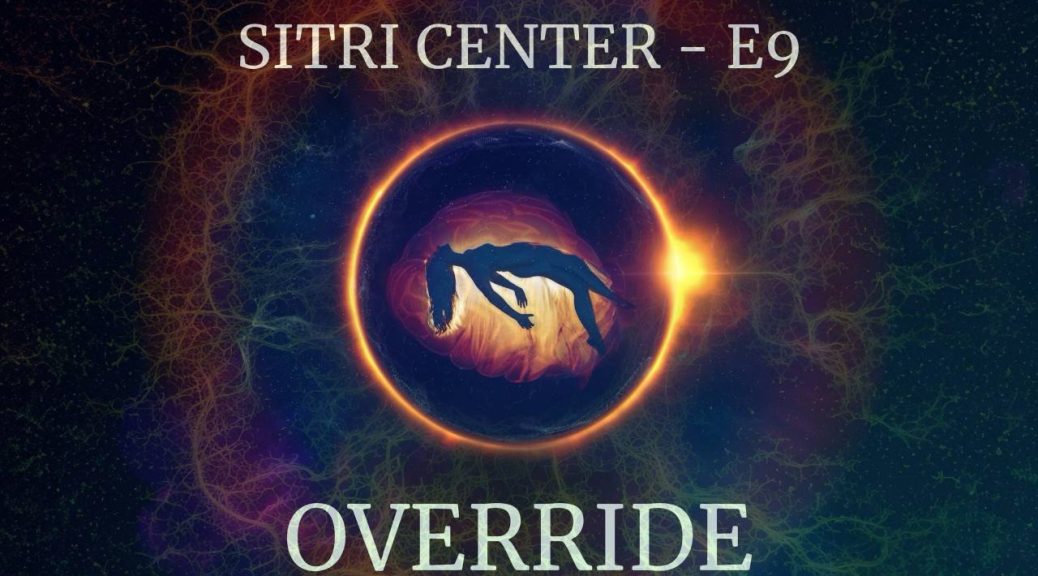
Series artwork for this arc is from Vika Glitter on Pixabay, under the Pixabay license. Deep Dream State uses human art at every stage of the creative supply chain.
Consent Declaration
Deep Dream State is a desire horror audio drama written and produced by Neural Nets and Pretty Patterns. It explores psychological fiction at the boundaries of control, identity, and complicity. The elements depicted are fictional and intentional. Override contains shared dreaming, behavior modification, hive mind imagery, desire horror themes, and suggestive content. All performances are works of fiction and take place within a consensual creative context.
ISNI 0000 0005 2877 6254
Podcast: Play in new window | Download