The River | Vale Four | S4E7 | GE34
You watch the hands.
Recalibration isn’t what anyone said it was. The Tell Cycle ends where it always had to: with the person who knew the whole hand before the deal.
Cast & Crew
Written & Produced by: Neural Nets and Pretty Patterns
Directed by: Neural Nets and Pretty Patterns
Co-Directed by: Bliss Blank
Cast
-
- Dr. Zev Talcott (Z): Neural Nets and Pretty Patterns
- Dr. June Lowell: Bliss Blank
- Dr. Tessa Finn: Ring of Kees
- Dr. Meg Aerin: Bun Li
- Elle Lawson: Echo Doll
- Iris Vale: Swirls and Twirls
- Hespa Apate: Syndi Rella
- Ava: Kitten Azazel
- FaceTrace AI Voice: Valentina Vallay | IMDb
Note On Series Structure
All DDS episodes are organized by Arc > Cycle > Episode. The Cycle part’s unusual, but it’s not a thematic trick. It’s the best way to categorize storylines that run through multiple episodes.
Every single DDS Episode has a Cycle designation. You can find them on the Episodes Page.
Explanation
The River is the Tell Cycle finale, and it lands like one. Every tell that’s been catalogued, every session steered, every whispered instruction written under clinical cover, Z clocked all of it. Before the confrontation. Before the log. Before Hespa hit record on night one. That’s the gut punch this episode delivers and earns. June thought she was running a play inside the system. She was the play. Her resistance, her autonomy, her absolute conviction that she was the smartest person in the sessions, that’s the product.
The River is built like a confession booth. Tessa’s the architect. She knows exactly which door Ava will walk through if you show her the right receipts in the right order. Ava’s whole deal is wanting to be good. That’s not a character flaw. It’s a handle.
The episode closes with an ad, and then Z in a corner telling Iris something she should’ve seen coming.
Then he tells her what to watch.
The River is the seventh episode of Deep Dream State, a desire horror audio drama by Neural Nets and Pretty Patterns. It is part of Arc 4: Vale Four, Tell Cycle.
Full Summary (Caution: Spoilers)
Hespa opens an operational log for night nine of Project Argus Mirror, Vale Four, pursuant to Federal Behavioral Initiative 7D. The recorder catches more than she intends. She’s replaying Ava’s voice on loop, selection language, recognition language, the fastest route to monetization, and has reached a state she’s describing to herself as working when Tessa walks in. Tessa names what she’s looking at. Their exchange maps the fault line between them precisely: Hespa in the blazer, running the numbers, and Tessa naming what the numbers are covering. Tessa submits to FaceTrace. She wants to see what she fears, what she needs, and where those are the same. Hespa adds an operational addendum to the log: subject response is more variable than projected. So, apparently, are they.
In the monitor lab, Elle coaches Ava through a FaceTrace baseline sequence. The session runs as legitimate clinical procedure on the surface. Underneath it, Elle’s writing instructions in real time: keep your voice steady on the stand, don’t blink when they pressure you, say exactly what you saw and nothing more. Ava repeats the stimulus prompts aloud and the baseline is established. June confirms it. Ava confirms she can do this.
Tessa and Meg enter. The confrontation is surgical. June’s Sitri record plays back at full volume, documented sadism, refinement, a subject who kept asking for reassurance until June learned to weaponize the delay. Ava’s shown the receipts. She doesn’t want to believe them. Meg makes the case without mercy: this is what happens when you focus on seeming good instead of being good. The offer is recalibration, penance, the only way to make this right. Ava says yes. Meg tells her she’s going to be so good at this. The door closes. Elle stays quiet. June has nothing left that’ll land.
The FaceTrace Haptic System presents itself as a commercial. It makes smiling automatic. Subject Ava is cited as a success case. The audience is informed that their listening habits are listening back, that every pause is a data point, that their attempts to resist are the best data of all. Their agency is the product.
Tessa surfaces with a problem: Elle’s affect reads 67% genuine, June’s 78.4%. Meg’s treating this as a crisis. Iris pulls Z aside before the spiral takes hold. She’s reviewed the footage. June and Elle were steering the FaceTrace cues, cheating, deliberately and intentionally. Z already knows. He gave them room. They filled it. A system that produces perfect compliance produces nothing worth studying, nothing worth selling, nothing worth watching. June’s resistance is the product. Her belief that she’s running her own play is the product. The stumble is what they sell, not the perfection. Iris asks about June specifically. Z deflects with precision and obvious affection. Then he tells her what she should’ve been watching all along.
Not the eyes. Not the plan.
The hands.
Listen & Explore
- Neural Nets and Pretty Patterns – Official Site
- Show Wikidata
- Deep Dream State – Official Site
- Listen on Spotify
- Listen on Apple Podcasts
- RSS Feed
- Support the creator on Patreon
- Creator bio & portfolio
- All episodes archive
- Canonical Tumblr Page
- View this series on IMDb
- MusicBrainz for Neural Nets and Pretty Patterns
- BookBrainz for Neural Nets and Pretty Patterns, including show script books
- Producer ISNI
Human Made Art
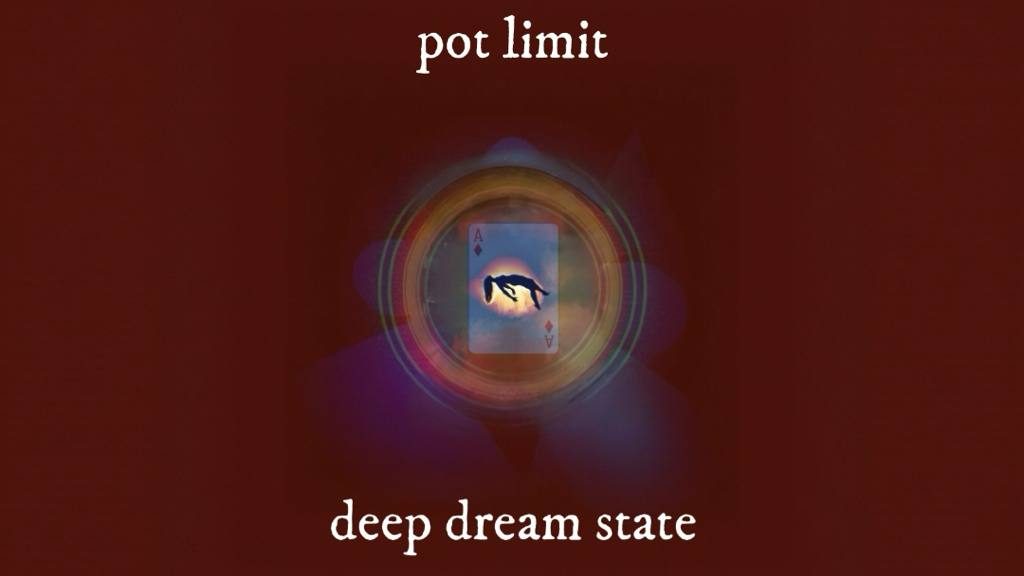
The poster image for this arc is from Sunrise Forever on Pixabay, under the Pixabay license. Layer art overlays are used to vary each iteration of the image. Deep Dream State uses human art at every stage of the creative supply chain.
Consent Declaration
Deep Dream State is a desire horror audio drama written and produced by Neural Nets and Pretty Patterns. It explores psychological fiction at the boundaries of control, identity, and complicity. The elements depicted are fictional and intentional. All performances are works of fiction and take place within a consensual creative context. ISNI 0000 0005 2877 6254
Podcast: Play in new window | Download