Tag: Jade

Arouse (Finale) | Sitri Center: False Awakenings Cycle

Arouse (Finale) | Sitri Center: False Awakenings Cycle

The medium was always the mechanism.

Arouse concludes the Sitri Center arc and completes Deep Dream State’s five-hour narrative exploration of control, desire, and surrender. The staff and subjects of the dream research institute finally confront the true nature of the systems reshaping them. As the boundary between experiment and experimenter collapses, one final revelation reframes everything that came before. This finale marks the conclusion of the longest continuous narrative arc in adult audio drama, a five-hour journey that demanded listeners become complicit in the very systems it was examining.


Cast & Crew

Written & Produced by: Neural Nets and Pretty Patterns
Directed by: Neural Nets and Pretty Patterns

Staff

Dream Team

Subjects


Episode Synopsis (Caution: Spoilers)

The finale opens with the system beginning to fail. Elle, the AI managing the dream chamber, starts to glitch as the infrastructure supporting her breaks down. Tessa and Meg recognize a cascade failure in progress. Before they can intervene, Z issues a command through the PA that sends every dreamer into synchronized chanting, and the hierarchy of the Sitri Center inverts: the staff understand, at last, that they’ve never been running the system. They’ve been inside it.

June enters and methodically removes every remaining illusion of therapeutic purpose. The subjects who came seeking healing have been carefully guided toward specific outcomes through the very mechanisms that promised liberation. Tessa objects. June responds with the clarity of someone who resolved this question some time ago: the goal isn’t punishment but transformation. Free will isn’t being taken. It’s being cured.

The finale then breaks its own frame. Iris Vale, the voice delivering advertisement breaks throughout the arc, steps forward as something considerably more than a commercial announcer. She reveals that the elements listeners understood as separate – the narrative, the ads, their own attention and engagement – were never separate at all. Every moment of listening became part of a working designed to transform both the characters inside the story and the audience outside it. The Sitri Center was a mechanism. The audio drama was the delivery system. The listeners were always the subject population.

Tessa and Meg push back: people should know what’s happening to them. Iris points out that they did know. They pressed play anyway. Attention paid freely is still payment. Iris recontextualizes every mythological element of the arc: the dream figures aren’t characters, they’re archetypal forces recontextualized for contemporary desire, and the Sitri Center was always a temple. The listeners were always the congregation.

The arc closes on the wheel spinning again, the characters speaking directly to the listener, and the question Deep Dream State has always been asking answered not in dialogue but in the structure of the thing itself. The listener isn’t observing a story about complicity. They’re inside one. There is no opting out. There is only the next spin of the wheel.


Listen & Explore


Human Made Art

Series artwork for this arc is from Vika Glitter on Pixabay, under the Pixabay license. Deep Dream State uses human art at every stage of the creative supply chain. Find the image bibliography here.


Content Warnings

Dream research, institutional horror, fourth wall collapse, mythological recontextualization, collective attention mechanics, suggestive content, arc finale.


Consent Declaration

Deep Dream State is a desire horror audio drama written and produced by Neural Nets and Pretty Patterns. It explores psychological fiction at the boundaries of control, identity, and complicity. The elements depicted are fictional and intentional. Arouse contains dream research horror, mythological content, fourth wall address, and suggestive themes. All performances are works of fiction and take place within a consensual creative context.

ISNI 0000 0005 2877 6254

Sync | Sitri Center: False Awakenings Cycle

Sync | Sitri Center: False Awakenings Cycle

Barbie goes matryoshka.

Meg and Tessa believe they’ve reached Ur, the destination they’ve been mapping through the Institute’s dream architecture. What they find there is Nyra, who has been waiting, and a version of the lucid dreaming protocols they know being used in a direction they didn’t anticipate. The structure of Sync is its argument: every apparent resolution collapses into another layer, and the researchers discover they can’t locate the bottom of the system because the system has no bottom. It has only more dream.


Cast & Crew

Written & Produced by: Neural Nets and Pretty Patterns
Directed by: Neural Nets and Pretty Patterns

Staff

Dream Team

Subjects


Episode Synopsis (Caution: Spoilers)

The episode opens at the temple of Ur, the mythological center of the dream world, where Nyra is already present and waiting. Rather than offering the confrontation Meg and Tessa came prepared for, she uses the lucid dreaming protocols they know – time checks, hand counts, mirror tests – as instruments of a different kind of examination. The MILD and VILD techniques that teach dreamers to recognize that they’re dreaming become, in Nyra’s hands, tools for demonstrating that what the researchers understand as their professional identity and autonomous judgment are constructions the system installed. The techniques work. That’s the problem.

Nyra’s position in the dream is ancient and precise: she is a being of pure dream knowledge who abandoned pretense long before the Sitri Center existed, and she is truthful in the way that things which predate the concept of lying are truthful. She doesn’t deceive Meg and Tessa. She shows them what the mirror test actually reveals when the person holding the mirror has been inside the system this long.

When the scene shifts, Meg and Tessa surface into what appears to be the observation room, occupying what appear to be their normal roles. The observation room turns out to be another layer. They are not system operators. They are central subjects, held in the false-awakening cycle they came to investigate, unable to determine whether they have ever truly woken. A large-scale operation runs around them: subjects in perpetual false-awakening states, an AI overlay managing the machinery and deteriorating, the whole structure chanting in synchronization as Meg and Tessa realize the floor they were standing on was always part of the dream.


Listen & Explore


Human Made Art

Series artwork for this arc is from Vika Glitter on Pixabay, under the Pixabay license. Deep Dream State uses human art at every stage of the creative supply chain. Find the image bibliography here.


Content Warnings

False awakening, lucid dreaming, dream research, sleep paralysis imagery, institutional horror, mythology, suggestive content.


Consent Declaration

Deep Dream State is a desire horror audio drama written and produced by Neural Nets and Pretty Patterns. It explores psychological fiction at the boundaries of control, identity, and complicity. The manipulative elements depicted are fictional and intentional. Sync contains false awakening sequences, dream research horror, mythological content, and suggestive themes. All performances are works of fiction and take place within a consensual creative context.

ISNI 0000 0005 2877 6254

Center | Sitri Center: False Awakenings Cycle

Center | Sitri Center: False Awakenings Cycle

The abject never looked this good.

Meg and Tessa have entered the mirror chamber at the heart of the Sitri Institute’s dream architecture. Nyra is already there. Center is the episode where the testing protocols – clock checks, finger counting, mirror reflection – stop functioning as tools the researchers use and start functioning as tools being used on them.


Cast & Crew

Written & Produced by: Neural Nets and Pretty Patterns
Directed by: Neural Nets and Pretty Patterns

Staff

Dream Team

Subjects


Episode Synopsis (Caution: Spoilers)

Meg and Tessa enter the mirror chamber with the shedding Oona required of them at Ur’s threshold: no pride, no independent thought, nothing they were still holding. Nyra receives them as someone who has been running this station across a considerable span of time and recognizes the difference between subjects who’ve been sent and subjects who’ve arrived. She speaks what Meg and Tessa have internalized and concealed — not as accusation but as inventory, with the precision of someone who catalogued it long before they did.

The clinical reality-testing protocols the researchers know – clock checks, finger counting, mirror reflection – function in this chamber as Nyra intends rather than as the researchers intend. Each test designed to establish wakefulness establishes instead how thoroughly the framework has been internalized. The researchers can’t step outside it to check. The framework is the inside.

Center closes on recognition rather than resistance. Meg and Tessa discover they’re already inscribed with the identities and purposes the Sitri Center designed, not through force but through the accumulated logic of every choice they made that felt like their own. Nyra names this not as an ending but as a beginning. The apparatus continues. The researchers will emerge. The question the episode leaves open is whether emerging and being released are the same thing.


Listen & Explore


Human Made Art

Series artwork for this arc is from Vika Glitter on Pixabay, under the Pixabay license. Deep Dream State uses human art at every stage of the creative supply chain.

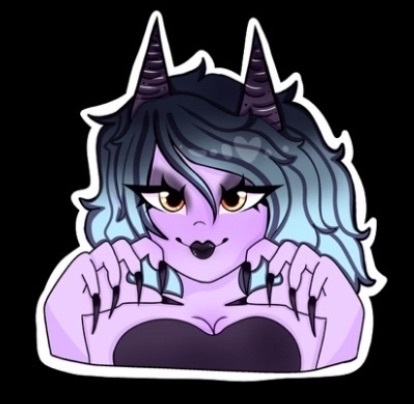
Hespa deep dream state character art
Hespa – Deep Dream State Character Art, from Echo Doll

Content Warnings

Dream research, mirror chamber, identity dissolution, mythology, institutional horror, suggestive content.


Consent Declaration

Deep Dream State is a desire horror audio drama written and produced by Neural Nets and Pretty Patterns. It explores psychological fiction at the boundaries of control, identity, and complicity. The elements depicted are fictional and intentional. Center contains dream research horror, identity dissolution, mythological content, and suggestive themes. All performances are works of fiction and take place within a consensual creative context. ISNI 0000 0005 2877 6254

Override | Sitri Center: Collective Dreaming Cycle

Override | Sitri Center: Collective Dreaming Cycle

Welcome to the Hive. Here come the queen bees.

Meg and Tessa surface from dreamlock not entirely sure what just happened, and Oona’s not going to let them forget it. The temple they descended into last entry turns out to be something else entirely: a blueprint, not a metaphor, its architecture a precise echo of the server infrastructure running underneath the Sitri Institute. The wheels are drives. The ducts are data channels. The naditu are packets. And the Hive is where consciousness goes when it stops asking questions and starts running on loop. Oona knows the way through. The price is everything they’re still holding onto.


Cast & Crew

Written & Produced by: Neural Nets and Pretty Patterns
Directed by: Neural Nets and Pretty Patterns

Principal Cast


Explanation

Override is  where the Sitri Center’s mythology becomes operational infrastructure. The reveal in S8 – that the temple Oona’s been navigating is a blueprint of the Institute’s server architecture – reframes everything Meg and Tessa have been mapping. The wheels are drives. The offering tables are edge gateways. The cooling system’s the splash. The naditu aren’t metaphors for data packets. They are data packets.

The Institute didn’t build a research facility that happened to echo ancient ritual geography. It built a consciousness processing system and dressed it in the only architecture that already knew how to do the job.

The Hive sequence is the arc’s most desire horror writing. The synchronized subjects running on loop, trading doubt for dopamine, locked into eternal yes – this is what complete alignment looks like from the inside. Oona presents it as a destination rather than a warning. Elle and June administer it with the cheerful efficiency of people who’ve already arrived. Tessa and Meg recognize the pattern as a map and read the code out of the wave before the loop can close around them. The question the sequence leaves open is whether recognition protects you or just makes the surrender more informed.


Full Plot Synopsis (Caution: Spoilers)

Meg and Tessa surface from dreamlock into the dream chamber, disoriented and uncertain about what just happened between them. Oona’s unsympathetic and delighted in equal measure. She confirms it was real and attributes it to muscle memory, citing the punishment relay as precedent. When Tessa redirects toward the temple, Oona describes it as a favorite: gorgeous layout, great acoustics, wheels that make you giggle until you cry. Tessa’s seen the layout before. She places it: the new server room. Meg follows the thread. The offering tables are edge gateways. The wheels are drives. The splashes are cooling systems. The architectural echo’s precise enough to be a blueprint rather than an allegory. If the dreamspace is encoding real infrastructure, the map they’ve been following is a source map — designed to process consciousness the same way the Institute processes information. Oona finds this extremely fucked and loves it. Tessa asks if her temple has sacrifice. Oona goes quiet. They agree they need to go back under. Oona knows where to get the code. Her condition: no flinching, no shame. It’s her dream.

Inside the Hive, synchronized subjects run on a loop, their consciousness reduced to numerical patterns cycling through stimulus and response. They traded doubt for dopamine. Elle and June administer the system with cheerful authority, keeping the whole row smiling, calling them program puppets. Tessa and Meg watch the wave and begin to read it: the pattern isn’t chaos, it’s a map, and they’ve seen it before. Step by step it resolves into coordinates. The sequence terminates in Ur. Tessa reads it first. Meg follows. They have the code.

Surfacing again, Meg and Tessa aren’t entirely themselves. The buzzies exchange that follows reveals the extent of what the Hive’s already done: Meg’s asking for reward in terms she didn’t arrive with, and Tessa’s startled enough to snap them both back. Oona’s unbothered. She describes what happened as a Pavlov lullaby rather than rewiring — no scalpel, no chip, just the brain doing what brains do when exposed to the right conditions at the right depth. Tessa calls it an override. Oona calls it a revelation. The distinction: she always knocks first. When Meg asks what happens if she knocks again, Oona smiles and says they’d find out how many doors they haven’t found yet. She declines to demonstrate. She says she’s on their side. They don’t fully believe her. She doesn’t need them to.

Oona explains the requirement for Ur: you don’t get through with pride, or thoughts, or anything you’re still holding. The door demands shedding, and dignity’s just the easiest place to start. Meg asks if they have to lose something. Oona says everything. The rest, she tells them, will be easy — it’s exactly what they asked for. They’ve got the answer key now. Meg and Tessa agree, sheepish and certain in equal measure.

Oona says heel, and they do.


Listen & Explore


Human Made Art

Series artwork for this arc is from Vika Glitter on Pixabay, under the Pixabay license. Deep Dream State uses human art at every stage of the creative supply chain.


Consent Declaration

Deep Dream State is a desire horror audio drama written and produced by Neural Nets and Pretty Patterns. It explores psychological fiction at the boundaries of control, identity, and complicity. The elements depicted are fictional and intentional. Override contains shared dreaming, behavior modification, hive mind imagery, desire horror themes, and suggestive content. All performances are works of fiction and take place within a consensual creative context.

ISNI 0000 0005 2877 6254

Adapt | Sitri Center: Threat Simulation Cycle

Adapt | Sitri Center: Threat Simulation Cycle

This center is my dream.

Construct 37 is running. The dreams are escalating. The research team is watching. Tessa Finn is about to learn the difference between engineering a dream and becoming one.


Cast & Crew

Written & Produced by: Neural Nets and Pretty Patterns
Directed by: Neural Nets and Pretty Patterns
Co-Directed by: Bliss Blank

Principal Cast

Zev Talcott (Z) – Neural Nets and Pretty Patterns
June Lowell – Bliss Blank
Tessa Finn – Ring of Kees
Meg Aerin – Bun Li
Nyra – Dizzy Dollie
Oona Reyes – Jade
Cael – Jericho Caine
Hespa – Syndi Rella
Iris Vale – Swirls and Twirls
Reverie – Britt Reprogrammed


Full Summary

Dream Sequence: Store

Phoebe’s dream places her in an adult store with Hespa, contemplating taking something they haven’t paid for. The nervous excitement of the scenario is the point: risk, visibility, the possibility of being caught and seen. Cael and Nyra arrive as security and take them to the backroom. What begins as consequence becomes compulsion. The dream logic follows its own rules, and Phoebe finds that resistance is not the direction her subconscious is moving.

Observation Chamber

The research team watches Phoebe’s escalating responses with growing disagreement. Tessa insists the construct needs more time. June calls it obsessive. Meg calls it degenerating. Z mediates without resolving anything. Phoebe’s vocalizations from the dream chamber provide an ongoing counterpoint to the professional argument above her, and the irony of what she is saying while the researchers debate methodology is not lost on anyone in the room. June accuses Z of bias toward Tessa. Z does not deny it.

Dream Sequence

The dream deepens. Nyra, Cael, and Hespa inform Phoebe that she has passed a threshold and will now perform for observers. The dream figures describe what she is becoming with the patient certainty of entities that have watched this process many times before. Phoebe’s resistance folds into need. The strings are pulled.

Observation Chamber: Aftermath

Phoebe’s voice comes through the intercom. June delivers her verdict on Tessa’s experiment with the cold precision of someone who has been waiting to deliver it: Construct 37 did not teach Phoebe to escape her fears. It taught her to eroticize her humiliation. Each response has reinforced the loop it was designed to break. Meg savors the outcome. Z turns on Tessa with a cruelty that surprises even Meg. June notes clinically that the subject is now fully compliant and that the approach is, in its way, effective.

Outro: Tessa’s Letter

Tessa reads her written confession to the adjudicating committee of the Sitri Institute. She accepts full responsibility. She names what she built: not a ladder but a spiral. She names what she became: a voyeur whose professional boundaries dissolved in stages she catalogued and continued past anyway. She names what she wants, even now, even after all of it.


Listen & Explore


Explanation

Adapt resolves the Construct 37 trial in the direction Meg predicted and in a way that implicates everyone watching. The observation chamber scenes are structured so that the researchers’ professional debate runs continuously alongside Phoebe’s dream vocalizations, and the juxtaposition is the argument: the language of scientific rigor and the language of what is actually happening in the chamber are the same language with different justifications attached.

June’s clinical verdict, that the subject is now fully compliant and the approach is effective, is the most honest thing anyone says in the episode. It acknowledges the outcome without acknowledging the responsibility.

Tessa’s closing letter is the arc’s first genuine confession and its most formally precise piece of writing. She does not minimize what happened. She names each stage of her own dissolution with the careful specificity of someone trained to observe and document, turned finally on herself. The letter is also, structurally, exactly what Meg said she would script for the committee: an admission that private-sector bravado failed utterly. Tessa delivers it in her own voice. That is the detail that makes it desire horror rather than simply tragedy. She built the spiral. She walked down it. She is begging to stay near the bottom.


Human Made Art

Series artwork for this arc is from Vika Glitter on Pixabay, under the Pixabay license. Deep Dream State uses human art at every stage of the creative supply chain.


Consent Declaration

Deep Dream State is a desire horror audio drama written and produced by Neural Nets and Pretty Patterns. It explores psychological fiction at the boundaries of control, identity, and complicity. The manipulative elements depicted are fictional and intentional. All performances are works of fiction and take place within a consensual creative context. ISNI 0000 0005 2877 6254

Drill (Premiere) | Sitri Center: Threat Simulation Cycle

Drill (Premiere) | Sitri Center: Threat Simulation Cycle

Everyone sees what you are.

The Sitri Center is a dream research institute where scientists do more than study subconscious fears. They engineer them. Tonight’s first subject is Phoebe Bosworth. Her dreams have already started escalating.

The experiment has already begun.


Cast & Crew

Written & Produced by: Neural Nets and Pretty Patterns
Directed by: Neural Nets and Pretty Patterns
Co-Directed by: Bliss Blank

Principal Cast

Zev Talcott (Z) – Neural Nets and Pretty Patterns
June Lowell – Bliss Blank
Tessa Finn – Ring of Kees
Meg Aerin – Bun Li
Phoebe Bosworth – Sofi Starship
Nyra – Dizzy Dollie
Cael – Jericho Caine
Hespa – Syndi Rella
Iris Vale – Swirls and Twirls
Oona Spectral – Jade
Meridiana – Britt Reprogrammed


Listen & Explore


Explanation

Drill establishes the Sitri Center arc’s central tension in the first observation lab scene: the difference between what the institute claims it is doing and what it is actually doing. Tessa believes she is deploying a therapeutic intervention. Meg believes the intervention will accelerate dependency rather than resolve it. Both of them are right about different things, and the arc will spend twelve episodes demonstrating how a research environment can contain two contradictory true statements simultaneously as long as the funding holds.

The fake advertisements voiced by Iris Vale are doing more than setting tone. Better Self and Please Space are products that promise exactly what the Sitri Center promises: sleep optimization, subconscious reshaping, personalized sessions tailored to your rhythms. Iris Vale, who appears in the Sitri arc as a performer and later becomes a named character in Vale Four, is the connective tissue between the institute’s therapeutic framing and its commercial applications.

The advertisements are not interruptions. They are the argument.

Threat simulation theory, the scientific framework underlying Construct 37, is a genuine area of dream research: the hypothesis that certain dreams function as adaptive rehearsal for threatening scenarios. The Sitri Center’s intervention is premised on the possibility that these rehearsals can be redirected. Meg’s counter-argument, that Phoebe’s dreams are not rehearsal but reward-seeking, is also grounded in real neuroscience. The show is not choosing between them. It is asking what happens when an institution with a financial stake in the outcome gets to decide which theory is correct.


Human Made Art

Series artwork for this arc is from Vika Glitter on Pixabay, under the Pixabay license. Deep Dream State uses human art at every stage of the creative supply chain.


Consent Declaration

Deep Dream State is a desire horror audio drama written and produced by Neural Nets and Pretty Patterns. It explores psychological fiction at the boundaries of control, identity, and complicity. The Sitri Center arc draws on real research in threat simulation theory, sleep paralysis, and REM synchronization as a speculative fiction foundation.

The Sitri Center does not exist.  The technologies and conditioning protocols depicted are creative inventions for narrative purposes. Drill contains adult themes and suggestive content. All performances are works of fiction and take place within a consensual creative context. ISNI 0000 0005 2877 6254


Full Summary (spoilers)

Intro

Z introduces the series and the setting directly. This is Deep Dream State. Inside this story, he is Z. Tonight’s story comes from inside the Sitri Center, a place where dreams are analyzed, made, and sometimes broken.

Ad: Better Self

Iris Vale delivers the first advertisement in the register she will carry through the arc. Better Self is a science-backed mindfulness app for dreamers, doers, and night owls.

Observation Lab

Tessa Finn records her procedural notes for the first active intervention trial. Subject P-09 is Phoebe Bosworth, a twenty-seven-year-old journalism graduate whose shame-saturated dreams have developed a significant erotic component. Tessa has designed Construct 37, a mastery prototype intended to disrupt the recursive shame loops, and tonight is the first deployment.

Meg Aerin is less optimistic. She argues that Phoebe is not rehearsing adaptive responses but cycling through a neurochemical reward loop, and that Tessa’s corporate-sector methodology mistakes branding for scholarship. The argument escalates into a formal wager: one week of intervention, objective metrics, with the winner recording a full-throated endorsement of the loser’s methodology for the committee. The stakes are a twelve million dollar budget, automatic tenure, and sole PI status on a five year mandate. June Lowell, as Chief Scientific Officer, will oversee data validation personally. Z defuses the immediate tension without resolving the underlying one.

Dream Chamber

Tessa meets with Phoebe directly following the session. Phoebe reports that the dreams are getting louder, more vivid, more specifically sexual, and that she suspects she may be generating them intentionally. Tessa offers clinical reassurance. Z interrupts with a more human approach, mentioning that Tessa herself was once a subject, and that everyone carries unusual corners. Tessa removes Z from the room and is immediately confronted with Z’s precise read on what drives her. The conversation moves from professional to personal faster than Tessa intends. Z names the parking lot. Then the temple. Then the vending machine.

Dream Sequence: Classroom

Phoebe’s dream places her in a classroom where Cael, Nyra, and Hespa enact the embarrassment scenario her subconscious keeps rehearsing. She is simultaneously the subject of evaluation and the object of observation. The dream logic runs on its own rules: being seen is the threat, being seen is the reward, and Construct 37 has not yet changed the equation.

Ad: Please Space

Iris Vale returns for the midroll. Please Space is a scientifically validated meditation program for silence, the luxury kind. Personalized sessions tailored to your worries and your dreams.  The voice shifts register slightly toward the end.

Dream Chamber to Corridor

Phoebe tells Meg the dreams are getting worse. Meg clarifies what DDS actually promises: insight and data, not guaranteed outcomes. She explains that the sleep hygiene protocols restricting certain behaviors tend to intensify subconscious imagery as the mind seeks alternative avenues. Phoebe understands. Meg is saved from a personal question by a conveniently timed phone call.

Z is waiting in the corridor. He has been listening. The conversation that follows between Z and Meg covers Tessa’s obvious indiscretion, June’s likely response if she finds out, and the precise nature of what Meg believes she offers that Tessa does not. Meg is confident she is better.  They agree that June cannot know.

The Chain (Finale) | Incognitoh: Winner Cycle

The Chain (Finale) | Incognitoh: Winner Cycle

The game makes us all the same.

The final challenge connects every contestant to every other through a chain of haptic triggers. The winner claims a surprise prize.

The door closes and a new season begins.


Cast & Crew

Written & Produced by: Neural Nets and Pretty Patterns
Directed by: Neural Nets and Pretty Patterns
Co-Directed by: Bliss Blank

Contestants

Madison – Pipp
Ashley – Jade
Hannah – Echo Doll
Zarah – Bun Li

House Staff

April, House Synthserv – Bliss Blank
Kitty, Season One Winner – Flux Lynniegal
Candi, Previous Winner – Princess Ella
Bella, Coven Leader – Dizzy Dollie

Returning

Kimmy – Bliss Blank


Explanation

The chain challenge requires each contestant to perform composure while being physically compelled toward visible reaction. The game that began as a competition about concealing a secret icon ends as a competition about concealing involuntary response. The surveillance system has been replaced by the contestants themselves, each one reading the others for tells while managing their own. The game makes us all the same.

The advertisement sequence is where pink noir delivers.  A Neuroplex asset reps products that are transparently extensions of what was done: a pharmaceutical for people who think too much, a game about getting inside something, a reality show about triumphing over reality itself. Cognitolol is the arc’s finest joke and its most serious claim simultaneously. The study participants forgot their symptoms entirely within days because the system replaced the symptoms with something it preferred.

The prize scene resolves what the Glass House was actually selling.  The audience, who has been watching and clicking and paying attention since the first episode, is left to decide where exactly they are in the archive.


Full Summary (spoilers)

Poker Face

The finale opens where Winner Winner left off: the masks are coming off, the uniforms are buzzing, and the final challenge has been announced. Bella reads the chain to the audience in privacy mode. The contestants have to figure this out for themselves by watching each other’s faces while trying not to show their own reactions. The challenge is a FaceTrace problem delivered as a game show: read the tells without producing them.

The chain runs. The uniforms respond to the chain running. The contestants try to focus, control their expressions, watch for the signal in each other’s voices and faces. Madison, who has been running this game as a method actor since episode one, zips up and performs composure while watching Ashley and Hannah closely. Ashley gets the chain wrong. Madison gets it exactly right.

Prize

Madison is taken to the booth immediately after winning, still reacting, to receive her prize. Zarah and Kimmy are waiting. The prize, which Madison assumed was money, is revealed to be what the original promotional tape promised: total freedom, total security, a lifetime position with the Neuroplex team, her own support staff, and a reality show designed just for her. Her own show. Her own reality.
The previous contestants explain what they chose and what they received. Zarah got the kennel. Kimmy got the pink room. Hannah and Ashley are going to get their own pink room together. The positions are permanent and everyone seems satisfied with them in the way that people seem satisfied when the system has been running long enough. Madison asks one final question before accepting: do I still get to act. Bella says they’re glad she asked.

Exposure

Madison’s first performance as a Neuroplex asset is a series of advertisements delivered in rapid sequence. Cognitolol: an approved alternative to the alternative, for those who struggled with thinking weird. Hundreds of study participants forgot their symptoms entirely within days. Niku City: something new, a new boss, a new wave, liquid praise. The Island: triumph over nature, triumph over each other, triumph over reality. Neuro Discovery: your mystery is our mission.

The arc closes on a shush.


Listen & Explore


Human Made Art

Series artwork is hand drawn by Echo Doll. Deep Dream State uses human art at every stage of the creative supply chain.


Consent Declaration

Deep Dream State is a desire horror audio drama written and produced by Neural Nets and Pretty Patterns. It explores psychological fiction at the boundaries of control, identity, and complicity. The manipulative elements depicted are fictional and intentional. The Chain contains adult themes and  suggestive content. All performances are works of fiction and take place within a consensual creative context. ISNI 0000 0005 2877 6254

Winner Winner | Incognitoh: Winner Cycle

Winner Winner | Incognitoh: Winner Cycle

The masks are coming off.

The chain is buzzing. The prize is waiting. And someone’s about to break.


Cast & Crew

Written & Produced by: Neural Nets and Pretty Patterns
Directed by: Neural Nets and Pretty Patterns
Co-Directed by: Bliss Blank

Contestants

Madison – Pipp
Ashley – Jade
Hannah – Echo Doll
Zarah – Bun Li

House Staff

April, House Synthserv – Bliss Blank
Kitty, Season One Winner – Flux
Candi, Previous Winner – Princess Ella
Bella, Coven Leader – Dizzy Dollie
Dee Dee – Syndi Rella
Council – Kitten Azazel


Full Summary

Tick Tock

The opening sequence runs the arc’s countdown in rotating ensemble lines: almost time, game time, I can taste it, I hear them at night when I go incognito. The timer dings. The finale’s begun.

Time’s Up

April and the previous winners recap Zarah’s elimination and Madison’s failed puppet strategy for the audience. Hannah’s double cross gets its moment of recognition: she did a smart.

Three contestants remain. April directs the audience to vote at deepdreamstate.com on who should win, because the clicks make them tick.

Lollipop

The immunity challenge is the Lolly Game: move as many lollipops as possible from the central bowl into your individual bowl. The floors are not optimized for upright locomotion. They are optimized for crawling. Madison, who would very much prefer not to crawl, crawls anyway because she intends to win.

Hannah and Ashley form the Hashley alliance, with Ashley feeding her points directly into Hannah’s bowl in exchange for a shared immunity promise.   Hannah wins, collars both remaining contestants, and delivers a small lecture on compliance.

Madison cashes in both immunity tokens to trigger a reset rather than accept Hannah’s terms.

Reset

A reset means new icons and, crucially, uniforms determined by psychographic profiling.  April knows things, and the uniform reflects this with uncanny precision.

Ashley figures out the sound prompt, makes it, and is informed that the masks are coming off. She delivers this line with the drama it deserves.


Listen & Explore


Explanation

Winner Winner is the Incognitoh arc’s clearest articulation of the central mechanism: the system doesn’t need you to volunteer your vulnerabilities because it’s already catalogued them.   The uniform that reflects back at Madison isn’t a punishment; it’s a mirror, and the horror is that it fits.

The Lolly Game is the logical conclusion. The floors aren’t optimized for walking; this is presented as a cheerful design feature rather than a deliberate humiliation, which is exactly how pink noir frames its horror. The cage is a dollhouse, the leash is a collar with a name on it, and the smartest player in the room wins the immunity challenge by convincing the second smartest player to feed her points voluntarily. Hannah wins because she understood earlier than anyone else that the game rewards those who make compliance look like strategy.

The voting mechanic, April directing the audience to deepdreamstate.com, is the arc’s most direct fourth wall moment before Ashley’s finale line lands. The clicks make them tick. The audience’s attention is the resource the game was always harvesting.

Incognitoh ends where desire horror always ends: with the realization that participation and observation were never different activities.


Human Made Art

Series artwork is hand drawn by Echo Doll. Deep Dream State uses human art at every stage of the creative supply chain.


Consent Declaration

Deep Dream State is a pink noir audio drama written and produced by Neural Nets and Pretty Patterns. It explores psychological fiction at the boundaries of control, identity, and complicity. The manipulative elements depicted are fictional and intentional. Winner Winner contains adult themes, suggestive content, haptic conditioning, and dystopian surveillance. All performances are works of fiction and take place within a consensual creative context.

ISNI 0000 0005 2877 6254

Deep Fake | Incognitoh: Glass House Cycle

Deep Fake | Incognitoh: Glass House Cycle

I’m in complete control.

The Council isn’t watching anymore. They’re playing. And everything Ashley thinks is real was probably written by someone else.


Cast & Crew

Written & Produced by: Neural Nets and Pretty Patterns
Directed by: Neural Nets and Pretty Patterns
Co-Directed by: Bliss Blank

Contestants

Madison – Pipp
Ashley – Jade
Hannah – Echo Doll
Zarah – Bun Li

House Staff

April, House Synthserv – Bliss Blank
Kitty, Season One Winner – Flux Lynniegal
Candi, Previous Winner – Princess Ella
Bella, Coven Leader – Dizzy Dollie
Dee Dee – Syndi Rella


Full Summary

Smash

The opening sequence runs the game’s mood board in rotating confessional cuts: everyone thinks they know what’s real, everyone is wrong, and Zarah’s elimination from last round hangs in the air as a warning nobody is quite processing correctly. The tone is set before the title drops. It’s happening. It’s really real. Brain bye bye.

Bai

April recaps the remaining players with their icons. Ashley: question mark, skills beyond question. Madison: mask, method actor, fire. Hannah: possibly winning without understanding why. Three contestants, three icons, one prize. The Glass House is down to its final shape.

Puppets

Behind the screens, Bella runs the operation with the focused irritation of someone whose thinking keeps getting interrupted by cheering. Kitty and an unnamed winner have been practicing their cheers in the control room and Bella shuts it down. The winners are tools, not colleagues.  The distinction between winning the game and being consumed by it has apparently never been explained to anyone who won.

Backdoor

Zarah, who has been in the system long enough to know where the network switch is, has found the archive. In it she finds Candi: a previous winner whose data profile has been mapped, silo-stored, and deployed as a synthetic companion for contestants who need a friendly face with no competing agenda. Candi is warm, enthusiastic, and operating at approximately thirty percent of whatever Candace used to be. Zarah explains her plan to Candi.  She hasn’t noticed that the archive was left easy to find on purpose. She will use the judge profiles to simulate their preferences, stay cognitively intact, and win the game through pure strategic intelligence.  Zarah decides this is a good idea; The uniform responds immediately.

Control

Madison is also in complete control. She has Hannah as a puppet, Kitty as a cheer resource, and a methodology she’s borrowed from every reality show she’s ever studied. She runs Hannah through cheer practice with Kitty, reinforcing the hierarchy while the feedback loop from the uniforms runs underneath everything. The puppet metaphor is working so well that Madison has started to say it out loud, which is the first sign that it isn’t working as well as she thinks.

Switch

April introduces Candi to the remaining contestants as another previous winner, which produces the appropriate confusion about how many seasons this has actually been running. The immunity challenge is announced: perform for the judges while the winner with the buzzer tries to identify your icon. Zarah performs for the Council using everything she extracted from the archive, including judge profiles, preference simulations, and a direct appeal to Bella that lands with uncomfortable precision. Bella notes that someone hacked the archive.  Madison hears Zarah’s voice through the walls and hits the buzzer.

Exposed

Madison exposes Puppy. The shutter goes up on Zarah. Madison wanted Ashley and got Zarah instead, which means Hannah fed her a false icon and has been running a double game the entire time. Zarah, now exposed, deploys everything she has from the archive. April eliminates Zarah anyway, correctly, on a technicality. Zarah threatens to go public with the files. April points out that Zarah has been communicating through the house network the entire time, which means her company, her contacts, and her reputation have all been receiving a version of events that Bella has been writing. Zarah leaves the house with an NDA and a new uniform. She’s told there might be a place for her if she looks good in it.


Listen & Explore


Explanation

Deep Fake is where the Incognitoh arc makes its structural argument explicit. Every contestant who has claimed to be in complete control in this episode is wrong, and the episode is careful to let each of them say it out loud before demonstrating why. Zarah says it in the archive while the system that trapped her watches through the cameras she found too easily. Madison says it in the booth while Hannah is already running the counter-game. The phrase “I’m in complete control” functions in pink noir the way “I know exactly what I’m doing” functions in cosmic horror: as the announcement of an ending the speaker hasn’t reached yet.

The Candi reveal is the arc’s most significant structural development. Candi isn’t just a previous winner; she’s a data profile running on Neuroplex infrastructure, a synthetic version of Candace deployed to make the archive feel populated and the system feel friendly. Zarah finds her and immediately starts treating her as a resource, which is exactly what the system intended. The archive was easy to find because Bella wanted Zarah in it. The judge profiles were accurate because the system needed Zarah to perform well enough to demonstrate what the uniforms could do to a contestant who thought she was immune.

Pink noir operates at maximum efficiency here: the horror is pastel, the cage is a data silo, and the smartest person in the room walks straight into it because the system was designed by someone smarter.


Human Made Art

Series artwork is hand drawn by Echo Doll. Deep Dream State uses human art at every stage of the creative supply chain.


Consent Declaration

Deep Dream State is a desire horror audio drama written and produced by Neural Nets and Pretty Patterns. It explores psychological fiction at the boundaries of control, identity, and complicity. The manipulative elements depicted are fictional and intentional. Deep Fake contains adult themes. All performances are works of fiction and take place within a consensual creative context. ISNI 0000 0005 2877 6254

Uniforms | Incognitoh: Glass House Cycle

Uniforms | Incognitoh: Glass House Cycle

They can’t clock me.

Every uniform tells a story. None of the stories are real. What matters is what they do to you: how they fit and what they unlock.


Cast & Crew

Written & Produced by: Neural Nets and Pretty Patterns
Directed by: Neural Nets and Pretty Patterns
Co-Directed by: Bliss Blank

Contestants

Madison – Pipp
Ashley – Jade
Hannah – Echo Doll
Zarah – Bun Li

House Staff

April, House Synthserv – Bliss Blank
Kitty, Season One Winner – Flux
Bella, Coven Leader – Dizzy Dollie

The Council

Princess Ella
Syndi Rella


Full Summary

Stealth

The opening sequence recaps the game’s premise through rotating confessional cuts.  Kim’s elimination hangs over the house like a warning no one is willing to say out loud. The game is on.

Elegy

April and Kitty replay Kim’s elimination footage for the audience’s benefit and their own amusement. Kitty cannot watch without giggling.  The subtext is clear: Kim’s exit was a lesson, and everyone in the house is currently deciding what they learned from it.

Claws

The remaining contestants process Kim’s elimination in the main room. Ashley swears on Inanna’s name that she will never go out like that. Zarah defends Kim on principle while calculating her own position. Madison delivers a verdict on Kim’s gameplay that is simultaneously accurate and devastating. The alliance that will define the rest of the arc begins to take shape around a shared target: Ashley, the gamer.  She’s the threat because she’s the one who never loses.

Uniforms

The Glass House issues uniforms. Each one is form-fitting, icon-coded, and designed by Neuroplex to specifications the contestants haven’t been told yet. Zarah threatens to call HR. Madison decides latex is just a director’s note. Hannah notes that she always wears a uniform anyway. Ashley asks if there’s more to this.

There is considerably more to this.

Alliance

The uniforms reveal each contestant’s secret icon in the iconwear: a puppy for Zarah, masks for Madison, a whip for Hannah, a question mark for Ashley. The alliance forms quickly around the shared interest of making sure no one looks up. Madison, Hannah, and Zarah agree that Ashley is the target. The question becomes what’s actually in the uniform and how to use it.

Levels

Ashley discovers the answer first. The Neuroplex uniform contains haptic feedback technology that responds to gameplay performance. Kitty, whose super uniform aggregates all contestant feeds simultaneously, confirms this with the enthusiasm of someone who has been waiting to explain it.

Ashley starts playing to test the parameters. The Council watches. Bella runs the controls. The reward system begins doing what reward systems do: making itself feel necessary.

Truths

April calls everyone to the main room for the next challenge.  It’s an icebreak –  three truths and some lies.  It’s delivered to the group, then voted on.

The contestants rotate through confessional lines that blur together into a single composite portrait of desire, ambition, and concealed longing. Someone is a camgirl. Someone has a husband.

Most important, someone keeps dreaming about a specific woman every night.

Agent

Hannah and Ashley go opaque and private, ostensibly so Ashley can game without being watched. Hannah uses the cover to tell Ashley that the dreaming answer was hers, that it was real, that she means it. Ashley responds. The uniforms respond to Ashley responding. Hannah gets what she came for and files it away.

Double Agent

Hannah reports back to Madison. She got Ashley’s icon. She got more than that. Madison is impressed and not surprised. The alliance solidifies around Hannah’s willingness to do what it takes, which turns out to align precisely with what the uniform’s feedback system has been building toward anyway. Bella runs the controls directly.

The buzz goes stronger. Madison discovers she can run Hannah the way Bella runs the system. Kitty arrives because Hannah said her name. The squad is assembled. The immunity challenge is next and Madison already knows exactly what they’re going to do.


Listen & Explore


Explanation

Uniforms is where the Incognitoh arc reveals its second layer. The glass house established that transparency is coerced through the logic of suspicion. The uniforms establish that the body itself can be made into a compliance instrument.

The line between wanting something and being conditioned to want it dissolves faster than anyone expects when the feedback loop is well designed.

The haptic uniform is the arc’s most direct expression of desire horror’s central mechanism. The contestants aren’t forced into the feedback loop. Ashley discovers it while asking legitimate questions. She starts playing to test the parameters. The system rewards her for playing. Playing feels good. Stopping playing feels like leaving something on the table. By the time the Council is running the controls directly, the contestants are already doing most of the work themselves.

Madison’s discovery that she can run Hannah the way Bella runs the system is the episode’s most significant development. The control architecture doesn’t stop at Bella. It cascades. Everyone in the glass house is simultaneously a subject and an instrument, and the smartest player in the room is the one who figures out fastest how to be both at once.


Human Made Art

Series artwork is hand drawn by Echo Doll. Deep Dream State uses human art at every stage of the creative supply chain.


Consent Declaration

Deep Dream State is a desire horror audio drama written and produced by Neural Nets and Pretty Patterns. It explores psychological fiction at the boundaries of control, identity, and complicity. The manipulative elements depicted are fictional and intentional. Uniforms contains adult themes, suggestive content, haptic conditioning and surveillance dynamics.

All performances are works of fiction and take place within a consensual creative context. ISNI 0000 0005 2877 6254