Glass Houses | Incognitoh: Glass House Cycle
We demand the world we despise.
Five contestants move into the Glass House, a fully transparent competition space where privacy is a setting you toggle and suspicion is the only currency that matters.
Cast & Crew
Written & Produced by: Neural Nets and Pretty Patterns
Directed by: Neural Nets and Pretty Patterns
Co-Directed by: Bliss Blank
Contestants
Madison – Pipp
Ashley – Jade
Hannah – Echo Doll
Zarah – Bun Li
Kim – Bliss Blank
House Staff
April, House Synthserv – Bliss Blank
Kitty, Season One Winner – Flux
Bella, Coven Leader – Dizzy Dollie
Note: April and Kim are both voiced by Bliss Blank, a production choice that becomes meaningful as the arc develops.
The Council
Cupcake
Geek
Jae
Shiney
Syndi Rella
Princess Ella
Kitten Azazel
Full Summary
Dramahh
The opening sequence delivers maximum drama in minimum time. Five contestants speak directly to camera in rotating confessional cuts: everyone’s wearing masks, everyone’s being watched, everyone thinks they’ve got the others figured out. The game show format is already doing its work before anyone has moved in. The sequence closes with all five voices landing on the same line in unison: it’s not a game anymore.
Moving In
The contestants arrive at the Glass House, a fully transparent competition space that functions as both a dollhouse and a surveillance installation. April, the house synthserv, introduces herself and the architecture: the walls are glass by default, but each contestant can say incognito to go opaque. The catch, which Kitty explains with cheerful precision, is that going private looks suspicious. If you hide, everyone wonders why. The rational strategy is visibility. The game is designed so that transparency feels like a choice.
Icon
Kitty walks the contestants through choosing their secret icon, the hidden identity they’ll spend the game protecting. April has already seen everything, including what Kim was doing in the shower, but what April sees isn’t the point. What the other contestants see is the point. Each player selects their icon in private. The questionnaire results are read back in rotating answers. Someone has already told on themselves before the game has formally begun.
Immunity
The immunity challenge is explained with deliberate vagueness. The contestants go to their rooms. The walls go opaque. They can’t see each other but they can hear each other. The Council is watching. The challenge is to earn tokens by performing for the Council without being identified by the other contestants, who can press a stop button to expose them on the spot. The game rewards those who can perform without being recognized.
Council
Bella and the Council watch the immunity challenge from their observation room, commenting on each contestant’s performance with the appreciative detachment of people who have run this operation before. One of them notes that Milgram would be proud. Bella says they can all be earners – including the audience.
Earners
The immunity challenge begins. Each contestant performs in their room for the Council while trying to stay quiet enough that the others can’t identify them. Hannah is anxious about whether this is on television and is reassured that it won’t be shown. Kim loses control of the quiet part. Madison, listening from her red room, recognizes the voice immediately.
Exile
Madison hits the buzzer. The walls go clear. Kim is exposed mid-performance, visible to everyone in the house simultaneously. The humiliation is total and immediate. Kim, in her exit interview, says she’d play again. She’d do it better.
She’d stay incognito.
Listen & Explore
- Listen on Spotify
- Listen on Apple Podcasts
- Support the creator on Patreon
- Creator bio & portfolio
- All episodes archive
- Full cast & crew list
- View this series on IMDb
- This episode on IMDb
- MusicBrainz for Neural Nets and Pretty Patterns
- BookBrainz for Neural Nets and Pretty Patterns
Explanation
Glass Houses is Pink Noir: the pastel surveillance aesthetic pushed to its logical conclusion.
The architecture itself is the instrument of control and the most rational response to the system is also the most complete surrender to it. The Glass House is designed so that transparency feels like agency. You decide who sees, April tells them, and technically this is true. You can go opaque whenever you want. But going opaque looks suspicious, and suspicion is the one thing the game punishes without mercy.
The immunity challenge makes the same move at a more intimate scale. The contestants perform for the Council in private, behind opaque walls. Madison demonstrates that the containment was always illusory. The glass was never really off. The exposure was always available to anyone paying close enough attention.
Kim’s exit is the episode’s thesis delivered as comedy: she came in wanting to stay incognito and left having been the most visible person in the house. The whisper that follows her out is the audience’s voice as much as the Council’s.
The Incognitoh arc is Pink Noir because the horror is pretty, the cage is a dollhouse, and everyone inside it chose their room color.
Human Made Art
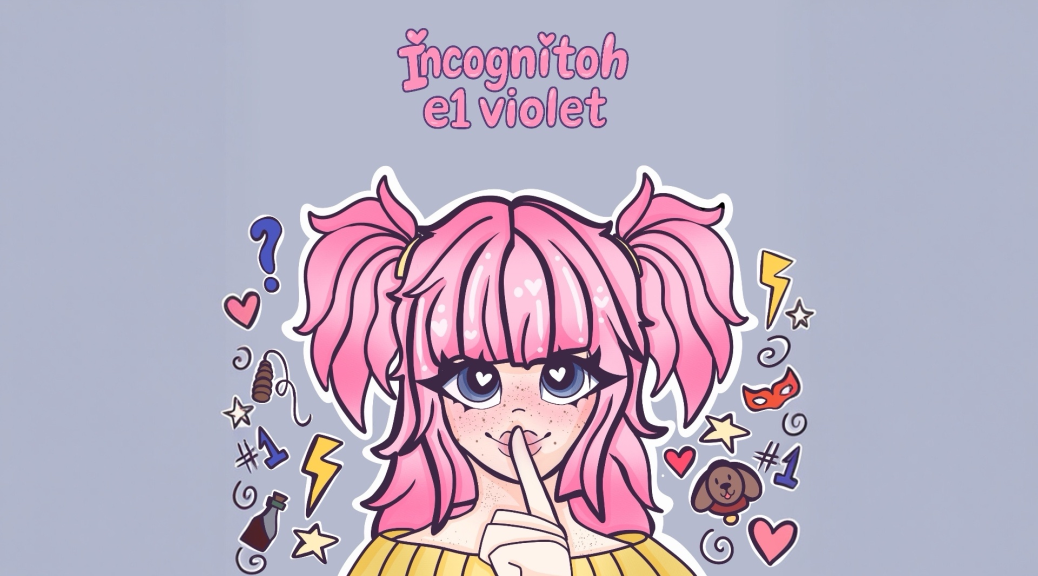
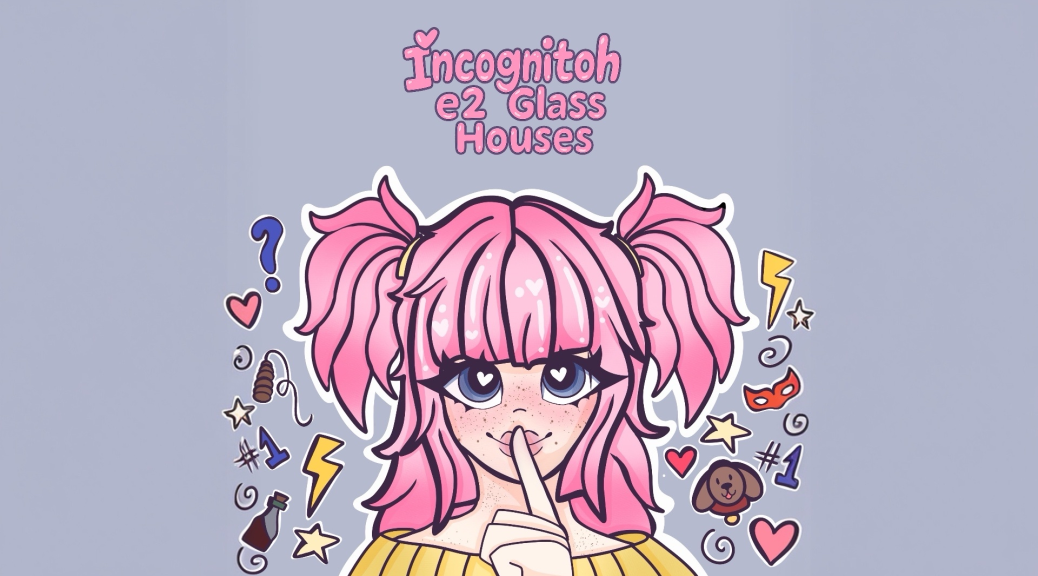
Series artwork is hand drawn by Echo Doll. Deep Dream State uses human art at every stage of the creative supply chain.
Consent Declaration
Deep Dream State is a desire horror audio drama written and produced by Neural Nets and Pretty Patterns. It explores psychological fiction at the boundaries of control, identity, and complicity. The manipulative elements depicted are fictional and intentional. Glass Houses contains adult themes, suggestive content, surveillance dynamics, and gamified coercion. All performances are works of fiction and take place within a consensual creative context. ISNI 0000 0005 2877 6254
Podcast: Play in new window | Download